


What are these “South Korea-based cosmetic surgery experts”?
Have you ever heard your friends say, “I went to Seoul over the weekend and came back after having a HIFU treatment!” Recently, this kind of quick, impromptu medical beauty trips have become increasingly popular.
The so-called “special forces for beauty treatments” refer to short but intensive trips with clear objectives – it’s not about going for fun, but about becoming more beautiful. Usually, these trips last 2 to 4 days. One flies to Seoul, completes the scheduled treatment, and returns home filled with a sense of Beauty. Many people even head to the airport right after work on Friday and come back by Sunday evening, without it affecting their daily work at all.
The main reason why this approach is so attractive is that South Korea offers a wide range of medical beauty treatments, uses advanced technologies, and many of the equipment used there has not yet been introduced in Taiwan or other regions. In addition, the number of clinics that provide services in Chinese is increasing, so the problem of language barriers has almost become non-existent.
But! The term “special forces” sounds very exciting, but in reality, if you aren’t properly prepared, you can easily run into problems – making wrong reservations, having too tight a schedule, or choosing treatments that aren’t right for you… This guide is designed to help you avoid all these pitfalls and ensure that your trip to Seoul for cosmetic treatments goes smoothly and is worthwhile.
—
🛫 Before you set off: Make sure to take care of these things first.
1. First, decide what you want to do, and then book your flight ticket.
Many people get it backwards: they first book their flight and accommodation, and only then start worrying about which treatments to undergo or which clinic to visit. This approach often leads to problems.
The correct sequence should be: first, complete the necessary research to determine the treatment you wish to undergo → then initially get in touch the clinic to confirm available appointment times → finally, arrange transportation and accommodation.
Since the popular doctors at popular clinics or certain specific services often require reservations 7 to 14 days in advance, or even sooner, if you book your flight first only to find out that you cannot get a reservation at all, the entire trip will be in vain.
2. Complete homework: Understand common treatments and the target populations for each of them.
The most common procedures for cosmetic surgery in South Korea can be roughly categorized as follows:
Anti-aging treatments using HIFU: HIFU, Thermage, ONDA, etc. These treatments are suitable for those with mild skin laxity who desire a tightening and rejuvenating effect. After such procedures, there may be slight redness, but in most cases, it is possible to go out immediately without any impact on daily activities.
Injection-based treatments: Botulinum toxin (for face slimming, Reduction surgery of certain muscles), Filler injections (for Tear trough correction, Apple Zone, chin), Rejuran, etc. Injection-based treatments have a short recovery period, making them suitable for those with tight schedules. It should be noted that mild swelling after Filler injections may take one to two days to subside, so this should be taken into account when planning one’s schedule.
Laser treatments: Pico laser, skin-clearing laser, Fraxel laser, etc. These treatments are suitable for those who wish to improve uneven skin tone, acne scars, or spots. After the treatment, it is essential to take proper sun protection measures; it is also recommended to wear a mask when going out.
Surgical procedures: eye plastic surgery, nose plastic surgery, contouring surgeries, etc. The recovery period for these types of procedures is relatively long, so they are not very suitable for the “commando” approach. It is recommended to schedule at least 7 days for recovery.
Only by understanding your own needs can you choose the right clinic and undergo the right procedures.
3. First, confirm the issue regarding notarization.
Taiwanese travelers currently do not require a visa to visit South Korea and can stay for up to 90 days. It is completely possible to undergo medical treatments there without any issues. Hong Kong and Macau travelers also enjoy visa-free access, so generally, a regular tourist visa is sufficient for such purposes.
If you plan to undergo a major surgery that requires hospitalization, you may consider applying for a medical tourism visa (C-3-9). The advantage is that it allows for a longer stay, and some organizations can assist you with the application process.
—
🗺️ Itinerary planning: How many days will be sufficient?
2 days and 1 night: The extreme flash edition
This is the true “commando” approach: you take a flight on Friday evening and return on Sunday afternoon. It is only suitable for procedures that require no recovery period or have a very short recovery time, such as botulinum toxin injections, basic skin care treatments, or non-exfoliating laser or HIFU treatments that allow you to leave immediately after the procedure.
Note: With such a tight schedule, if the treatment takes longer than expected or any other issues arise, there will be very limited room for flexibility. It is not recommended to choose this option for your first visit.
3 days and 2 nights (recommended for beginners)
This is the option most people choose, as it provides sufficient time for adjustment.
On the first a
fternoon, arrive in Seoul, check into your accommodation, and then go to the clinic for pre-operative consultations or skin examinations.
On the second
day, undergo the main treatment; in the afternoon, you can explore the surrounding areas and purchase some skincare products.
On the third da
y, attend the post-operative follow-up appointment (if necessary), and then fly home in the afternoon.
4 to 5 days: Lite version
If you have many projects you want to undertake, or if you wish to combine medical treatments with sightseeing and shopping, a 4- to 5-day schedule would be more convenient. This way, you can allocate more time between your treatment sessions and your travel plans, reducing the stress involved.
More than 7 days: Suitable for surgical procedures.
Plastic surgery procedures on the eyes, nose, or facial contours generally require a postoperative observation period of 1 to 3 days. Additionally, follow-up visits may be necessary for suture removal, so it is recommended to schedule at least one week for the entire recovery process.
—
📍 Location selection: Which district in Seoul is the best?
Gangnam District: The preferred area
Gangnam in Seoul is arguably the region with the highest concentration of medical beauty services in South Korea. Especially in the area between “Sinnonhyeon Station” and “Gangnam Station”, there is a clinic almost every few steps along the way, and many of them offer Chinese-language services or have Chinese-speaking managers (dedicated consultants) on staff.
The clinics here are generally more international in nature, with excellent facilities and comprehensive services. They also have established procedures for dealing with foreign customers, so language barriers are usually resolved quickly.
Myeongdong: The transportation is convenient, but it’s necessary to compare various options carefully.
Although Myeongdong offers excellent tourist facilities, the quality of medical beauty clinics there is generally lower compared to that in Gangnam. There are certainly some good clinics in this area, but it is recommended to do some research carefully before making a choice, rather than simply choosing one based on its convenient location.
Hongdae and Sinsa: They have a stronger sense of liveliness
In these two areas, there are some Dermatology clinics that are particularly popular among younger people. The atmosphere there is more relaxed, and the services offered focus mainly on daily skin care.
—
💡 Appointment tips: How to get a reservation at a good clinic?
Book 7 to 14 days in advance.
Especially for popular clinics or designated doctors, it is essential to make a reservation in advance. Seats during holidays or on weekends are even more in high demand, and if you decide to go there on the spot without making a reservation, chances are very slim that you will find a place.
Use the Chinese reservation channel.
Many clinics in South Korea offer Chinese-language services, including WeChat customer support and LINE communication. Some platforms also allow online reservations in traditional Chinese.
It is recommended to use booking platforms specifically designed for overseas travelers, such as BeautsGO. You can search for clinics and view service prices in Chinese. After making a reservation, a Chinese-speaking staff member will be responsible for receiving you. The entire process does not require any knowledge of Korean, making it very suitable for first-time users.✨
What should I bring for my first consultation?
For most consultations at clinics, you will need to bring your passport for identity verification and fill out a basic health questionnaire (usually available in Chinese). If you are taking any specific medications or have a history of allergies, be sure to inform the clinic in advance.
—
💰 How much should I budget for these expenses?
This is one of the issues that everyone is most concerned about. Indeed, the costs of medical beauty treatments in South Korea are much more affordable than in Taiwan or other places, but not all procedures are necessarily cheap. It mainly depends on the clinic and the specific treatment you choose.
Below are the approximate market conditions for several popular treatments (in Korean won, for reference only):
• Full-face treatment with HIFU: Starting from ₩350,000 to ₩800,
000
• Full-face treatment with Thermage: Starting from ₩800,000 to ₩1,500,0
00
• Botulinum toxin (full face): Starting from ₩920,000 t
o ₩400,000
• Filler (1 syringe): Starting from ₩930,000
to ₩600,000
• Rejuran: Starting from ₩930,000 to ₩600,000
• Pic
o laser treatment: Starting from ₩915,000 to ₩400,000
At the current exchange rate (approximately 0.023 Taiwanese dollars per Korean won), ₩1,000,000 is equivalent to around 23,000 Taiwanese dollars. If one chooses to undergo 2 to 3 procedures during this special forces treatment program, the total cost would fall within the range of 30,000 to 80,000 Taiwanese dollars—which is significantly cheaper than undergoing similar treatments in Taiwan.
⚠️ Warm reminder: The prices listed above are merely for reference based on current market trends, and there may be significant differences among different clinics. It is recommended that you inquire directly about the specific prices offered by the clinic during your consultation, rather than using these figures as a basis for your final budget.
—
🏥 Recommended criteria for choosing a clinic: How to select a reliable medical institution?
There are countless recommendation lists available online, but how can one determine whether a particular clinic is trustworthy? The following indicators can provide some guidance:
Whether Chinese-language services are available: This is a very important aspect. If clear communication is not possible during the consultation and treatment process, misunderstandings are likely to arise, resulting in outcomes that do not meet expectations and may even pose risks.
Doctors’ qualifications and the transparency of medical institutions: Regular clinics usually provide clear information about the background and qualifications of their attending physicians, and their equipment is also legally registered. This information can be verified through the clinic’s official website or the certification details on relevant platforms.
Is there a comprehensive post-treatment follow-up system? After returning to one’s home country following the treatment, if any issues arise, can the clinic provide remote consultation services? This is particularly important for international patients.
Is the reservation experience good? If the reservation process itself is confusing and the response times are slow, one can only imagine what the quality of the actual service will be like.
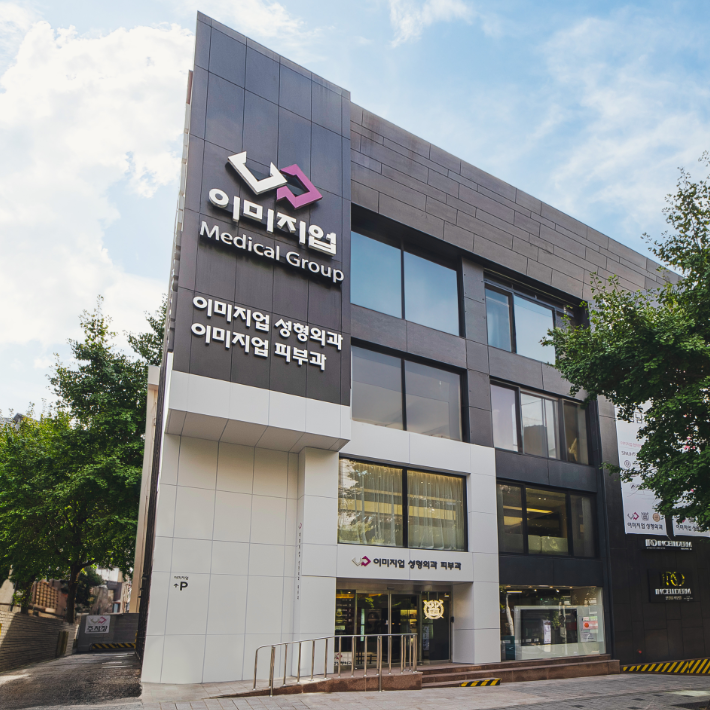
I personally recommend using the BeautsGO platform to find a clinic. The hospitals listed on it have all undergone verification and certification, and they provide detailed information about various services and their prices. It’s also possible to make reservations directly, which is extremely convenient for overseas travelers. 👇
—
✈️ Practical itinerary demonstration: 3-day/2-night special forces version
Here is a schedule framework that you can use as a direct reference:
Day 1 (Departure Day)
Arrive at Seoul Incheon
Airport or Gimpo Airport in the afternoon → Take the subway or airport express train to the city center → Check into a hotel (it is recommended to choose a location in Gangnam District, as it is closer to the clinic) → Go to the clinic to register and receive a consultation, and confirm the details of the treatment schedule for the next day → Have a light meal in the evening and go to bed early.
Day 2 (Treatment Day)
In the morning, g
o to the clinic to complete the main treatment. It is recommended to rest at your accommodation for 1 to 2 hours after the treatment, especially after HIFU or injections. If you feel fine in the afternoon, you can explore the nearby areas such as Sinsa-dong or Cheongdam-dong, or visit Lotte Duty Free Shop to buy some skincare products. In the evening, eat light food and avoid alcohol.
Day 3 (Return Trip)
In the morning, check the
post-operative condition; if a follow-up visit is necessary, go to the hospital accordingly. → Before noon, head to the airport, making sure to allow enough time for transportation. → Then head home!
⚠️ Special reminder: Do not book your return flight for Day 3 too early; give yourself some flexibility. If you experience any discomfort after the treatment, it is better to choose a flight in the afternoon or evening – this will give you more peace of mind.
—
🧴 Precautions after the treatment: things to avoid at all costs
After completing the treatment, there are several things that you must pay special attention to; otherwise, it may affect the results or even cause problems.
Do not immediately enter a sauna or steam room: High temperatures can irritate the skin after the procedure, so please avoid such environments for 48 hours after the treatment.
It’s essential to take proper sun protection measures: After treatments involving lasers, the skin becomes more sensitive than usual. When going out, be sure to wear a mask and a hat to minimize exposure to the sun.
Avoid drinking alcohol and staying up late: These two factors have a significant impact on the recovery process. Since you’ve invested this money, let your body get the proper time to recover.
Avoid vigorous massage after injections: Within 24 to 48 hours after receiving Filler or botulinum toxin injections, do not massage the injected area vigorously to prevent the medication from shifting.
Reduce the use of skincare products: After the procedure, the skin needs time to heal. It is advisable to use mild moisturizing products and avoid products that exfoliate the skin, contain retinol, or have a high concentration of vitamin C for the time being.
—
🛍️ Take the opportunity to shop: These skincare products are definitely worth buying.
When going to South Korea for cosmetic procedures, many people also take the opportunity to purchase skincare products. Here are some essential places to buy them:
Olive Young: South Korea’s largest chain of pharmacies and cosmetics stores, with branches in almost every popular shopping district in Seoul. It offers a wide range of skincare products and cosmetics at affordable to mid-range prices, making it an essential destination for shopping.
Medical beauty products available at clinics: Many clinics produce their own post-treatment care系列产品, which contain mild ingredients ideal for use after procedures. Buying these products directly at the clinic is usually cost-effective, and you can also ask the clinic manager to recommend products that are suitable for your specific treatment.
Duty-free shops: If you plan to buy brand-name skincare products such as SK-II or La Mer, duty-free shops usually offer lower prices than those in Taiwan. Make a list of the items you want to purchase before you set off.
—
How to use BeautsGO to schedule a consultation at a South Korea clinic?
If you haven’t used BeautsGO yet, I can briefly explain how it works:
1. Download the BeautsGO app or directly search for the clinic you want to visit on the website.
2. View information about the clinic’s services,
the doctors’ backgrounds, and user reviews.
3. Select the treatment you wish to undergo and the desire
d date, then submit your reservation request.
4. The Chinese-speaking manager will confirm all the details with
you. The entire process is conducted in Chinese, so you don’t have to worry about language barriers.
5. On the day of your appointment, simpl
y show up at the clinic to complete the treatment. After the procedure, follow-up services are also available.
For those who are going to South Korea for cosmetic procedures for the first time, having such a intermediary platform can provide great peace of mind, as there is no need to take the risk of finding a clinic on their own or worry about being overcharged.
—
Frequently Asked Questions FAQ
Q1: If this is my first time getting cosmetic procedures in South Korea and my English is not very
good, is that okay?
Absolutely! Nowadays, many clinics in Gangnam offer services provided by Chinese-speaking staff. Alternatively, you can use Chinese reservation platforms like BeautsGO, which ensure that all communications—from booking to post-treatment follow-up—are conducted in Chinese, so you don’t need to know English or Korean.
Q2: What medical documents do I need to prepare before going?
For m
ost minor cosmetic procedures, no special medical documents are required; just bring your passport. However, if you are taking anticoagulant medications, have a history of severe allergies, or are pregnant or breastfeeding, be sure to inform the clinic in advance.
Q3: How many treatments can be done at one time?
It depends on the n
ature of the treatments you choose. It is possible to undergo HIFU and injections on the same day, or laser treatment combined with moisturizing therapies, but it is not recommended to perform too many treatments that require recovery periods in one session. It is best to consult with the clinic first and let the doctor assess the most suitable combination of treatments for you.
Q4: What should I do if there are any problems after returning home following th
e surgery?
It is very important to choose a clinic that offers remote follow-up services. The clinics partnered with BeautsGO usually provide online consultation after the surgery. If you have any questions, you can directly get in touch the clinic director or the clinic itself – there is no need to worry about not having anyone to assist you after returning home.
Q5: Where is the most cost-effective place to exchange Korean won?
It is gener
ally recommended to exchange a portion of the Korean won at the Bank of Taiwan before traveling, and then complete the remaining exchange at the currency exchange offices in Myeongdong, Seoul. The exchange rates there are usually more favorable than those at the airport. Alternatively, you can use a credit card that allows cash withdrawals abroad without any fees to obtain Korean won directly from an ATM.
—
In conclusion: The key to the success of special forces personnel in undergoing cosmetic procedures
In summary, the key to the success of South Korea’s “cosmetic surgery commandos” lies in three words: prepare in advance.
Research in advance what you plan to do, make reservations for the clinic and doctor well ahead of time, and arrange your schedule properly – don’t try to fit everything into just one day. By doing these things, you’ll have already completed half of the journey towards a stunningly beautiful trip to Seoul.
Furthermore, choosing a reliable booking platform can truly save you a lot of trouble. If you are not very familiar with Dermatology in South Korea, we recommend starting with BeautsGO – it provides full-language support in Chinese, so you won’t feel lost even on your first visit.
Wishing every person who sets off on this journey the ability to return home with full confidence and a rosy complexion!✨
—
Disclaimer: This article merely provides reference information regarding medical beauty tourism and does not constitute medical advice. Any treatment should only be undertaken after being assessed by a professional physician; the actual results may vary from person to person. The prices mentioned in this article are merely indicative of market trends, and the actual fees shall be subject to the rates quoted by the clinic on the day of service.


