![[2026 Latest Review] Comprehensive Analysis of the Second Generation Ulthera Device in the United States: Key Updates, Actual Results, Prices, and Target User Groups – All Explained in One Place](https://oss.cceeo.com/cceeo-wp/muse/uploads/美国音波.jpg "[2026 Latest Review] Comprehensive Analysis of the Second Generation Ulthera Device in the United States: Key Updates, Actual Results, Prices, and Target User Groups – All Explained in One Place缩略图")

In the field of non-invasive cosmetic treatments, Ultherapy from the United States has long held a leading position. Since entering the Taiwanese market in 2013, it has been recognized by the industry as the “gold standard for ultrasound therapy” due to its FDA certification and excellent SMAS fascia tightening results. Between 2024 and 2025, the manufacturer Merz Aesthetics officially launched the newly upgraded second-generation Ultherapy—Ultherapy PRIME (also known as Meiyin Er Dai or Jitong+). This version features significant improvements in imaging technology, energy control, and treatment comfort. By 2026, this device had been widely adopted by top cosmetic clinics in Taiwan and South Korea. This article provides an in-depth review of the second-generation Ultherapy to help you make informed decisions about cosmetic treatments.
What is the second-generation Ultherapy from the United States? How does it differ from the first generation?
Ultherapy PRIME is the next-generation ultrasound therapy system developed by Merz Aesthetics. It builds upon the core MFU-V (high-intensity microfocused ultrasound) technology of the first generation but incorporates several revolutionary improvements. In short, it is not a minor update but a comprehensive evolution, ranging from the hardware architecture to the software system.
The first-generation Ultherapy was introduced in 2013 and has accumulated over 3 million treatment cases worldwide, establishing a strong clinical reputation. However, as cosmetic technologies have advanced, patients have increasingly demanded higher levels of treatment comfort, precision, and efficiency. The second-generation Ultherapy PRIME is the result of more than a decade of research and development in response to these market demands.

What are the eight major technological improvements of the second-generation Ultherapy?
1. Image clarity has increased by more than 50%
The second-generation Ultherapy is equipped with the newly upgraded DeepSEE™ real-time imaging technology. It features a dual-core processor and a 35% larger screen size (19-inch high-resolution touchscreen), resulting in image clarity that is over 50% higher than that of the first generation. During treatment, physicians can clearly observe all layers of the skin—including the epidermis, dermis, subcutaneous tissue, and even the SMAS fascia at a depth of 8 mm—enabling precise and visualized treatment. This ensures that each dose of energy is delivered accurately to the target area, eliminating the need for subjective judgment based on experience.
2. Treatment speed has increased by 20%, reducing session duration
The dual-core processor not only improves image clarity but also enhances the overall system performance by 10 times, significantly reducing startup time. As a result, treatment sessions are approximately 20% faster than with the first generation. For busy modern women, this means they can schedule their cosmetic treatments more conveniently.
3. The pain is significantly reduced, and comfort is greatly improved.
This is the most noticeable improvement for many patients who have used the first generation of Ultherapy. The second-generation Ultherapy PRIME features an optimized energy delivery system, resulting in a more even and stable distribution of energy. This effectively reduces local heat sensations, significantly lowering pain and discomfort during treatment. Clinical feedback shows that some patients can even receive treatment without prior anesthesia, greatly addressing the issue of severe pain that was commonly reported with the first generation.
4. Personalized treatment options to suit different areas.
The second-generation Ultherapy offers more precise personalized adjustments to the energy level. Doctors can customize the settings based on the thickness and degree of skin laxity in different areas of the patient’s body. Whether it’s the delicate eye area, neck, cheeks, or jawline, each region can receive a treatment plan that best meets its needs. This “tailored-to-individual-and-area” approach is at the core of precision aesthetic medicine.
5>Effect duration extended to 1.5 to 2 years.
The first generation of Ultherapy provided effects lasting around 1 year. However, the second-generation Ultherapy PRIME, with its improved energy delivery system, more effectively stimulates the regeneration of collagen and elastin, extending the effects to 1.5 to 2 years. Clinical statistics show that up to 95% of patients are still satisfied one year after treatment—a figure that is among the highest for non-invasive lifting procedures.
6>Modern user interface and ergonomic design.
The second-generation device features a new ergonomic cart design, with a screen that can be adjusted at various angles. The user interface is modern and intuitive, and it includes a “virtual patient image” feature that helps doctors plan the treatment area and number of treatments more accurately. The overall operation of the device is quieter, making it more compatible with a clinic’s working environment.
7>FDA approval ensures the highest level of clinical safety.
Like the first generation, the second-generation Ultherapy PRIME has received FDA approval for the “facial lifting” indication. This is the highest standard of safety certification for non-invasive lifting devices worldwide. Coupled with over a hundred peer-reviewed clinical studies, this provides consumers with strong evidence of its effectiveness and safety. This is also the fundamental reason why Ultherapy has maintained a prominent position in the aesthetic medicine market.
8. With almost no recovery time, it can be done immediately and you can get back to your daily activities.
The second-generation U.S. ultrasound technology improves the uniformity of energy delivery, resulting in milder post-treatment redness. Most patients regain their normal skin color within hours after the procedure, and the incidence of side effects has further decreased, making it truly convenient for a “lunchtime beauty treatment.”

III. A comprehensive comparison between the first and second generations of U.S. ultrasound technology
Below is a summary of the key differences between the first-generation Ulthera and the second-generation Ultherapy PRIME, to help you understand the extent of the improvements:
- Release years: The first generation was released around 2013; the second generation was officially launched in 2024.
- Imaging system: The first generation had a smaller screen with limited imaging capabilities; the second generation’s screen is 35% larger, with over 50% higher clarity, and a visible depth of up to 8 mm.
- Processor: The first generation used a standard single-core processor; the second generation features a dual-core processor, offering 10 times higher performance.
- Treatment speed: The second generation is approximately 20% faster than the first generation.
- Pain level: The first generation caused more discomfort; the second generation distributes energy more evenly, significantly reducing pain.
- Personalization level: The first generation features standardized settings; the second generation allows for individual adjustments based on the thickness of the skin in different areas.
- Effect durability: The first generation lasts approximately 1 year; the second generation can last 1.5 to 2 years.
- FDA certification: Both generations have received FDA approval.
- Interface: The second generation features a 19-inch high-resolution touchscreen and an ergonomic design.
IV. Evaluation of the actual therapeutic effects of the second-generation U.S. Ultrasound device
Time frame for effect manifestation
The mechanism of action of U.S. Ultrasound involves using ultrasonic waves to heat deeper layers of the skin, thereby stimulating the gradual regeneration and reorganization of collagen and elastin fibers. As a result, the effects are progressive rather than immediate. Generally speaking:
- Immediately after the procedure: Some patients may experience a slight sense of tightness and an increase in skin firmness.
- 1 month after the procedure: Improvements in skin quality begin to become apparent, and fine lines are reduced.
- 2 to 3 months after the procedure: The lifting effects become more noticeable, and the contours of the face become clearer.
- 3 to 6 months after treatment: The effects reach their peak, with the most significant improvements in facial firmness and lift.
- Effect duration: The results last for approximately 1.5 to 2 years (depending on individual skin condition, age, and lifestyle habits).
Key areas of improvement and effects
The second-generation U.S. ultrasound technology has received clinical validation and high patient ratings for its treatment effects in the following areas:
- Facial contours: The V-line becomes more defined, and sagging cheeks are significantly improved.
- Jawline: The boundaries between the masseter muscle and the jaw become clearer, and excess fat around the mouth and nasolabial folds is reduced.
- Double chin: Loose skin under the neck is tightened, giving the neck a more defined line.
- Periocular wrinkles: Eyebrows are slightly lifted, drooping upper eyelids are improved, and crow’s feet are reduced.
- Nasolabial folds: After lifting the cheeks, the depth of these folds is decreased, making the face look younger overall.
- Neck wrinkles: Horizontal and vertical lines on the neck are reduced, and the skin’s firmness is enhanced.
V. Price Trends for the Second Generation of Ultherapy in the United States in 2026
In 2026, the cost of Ultherapy PRIME in the Taiwanese market varies depending on the clinic, the number of treatments, and the area being treated. Here are some general price references:
- Full-face treatment (including the neck): Approximately NT$120,000 to NT$180,000 (based on 600 to 800 treatments)
- Half-face treatment: Approximately NT$60,000 to NT$90,000
- Targeted areas for enhancement (such as the jawline or double chin): Approximately NT$30,000 to NT$50,000
- Single treatment fee: Approximately NT$150 to NT$250 per treatment (depending on the clinic and the depth of the probe)
It is important to note that the number of treatments should be determined by a doctor based on an individual’s facial structure, degree of sagging, and treatment goals. More treatments do not necessarily mean better results; excessive treatments can even cause unnecessary tissue damage. Choosing a reputable and licensed medical institution and having the treatment performed by a doctor with extensive experience in ultherapy is crucial to ensure both effectiveness and safety.
In major cosmetic clinics in Seoul, South Korea, the cost of Ultherapy PRIME ranges from KRW 1.5 million to KRW 3 million (approximately NT$35,000 to NT$70,000), which is more affordable than in the Taiwanese market. As a result, many tourists from Taiwan and Hong Kong travel to South Korea for ultherapy treatments.
VI. Who Is Suitable for the Second Generation of Ultherapy in the United States? Indications and Contraindications
Most suitable candidates
- Aged 28 to 55, with mild to moderate to severe facial sagging
- Fuzzy jawline, prominent nasolabial folds, drooping lip areas, double chin
- Do not want to undergo surgical facelifts; prefer non-invasive methods for tightening effects
- Value medical safety and require FDA approval as well as sufficient clinical data support
- With a sufficient budget, I hope that the effects of a single treatment will last as long as possible.
- Previously tried Korean ultrasound treatments but were dissatisfied with the results; wish to upgrade to American ultrasound technology
- Desire regular maintenance to prevent aging and slow down the progression of facial sagging
Unsuitable candidates (contraindications)
- Areas under treatment have open wounds, severe skin inflammation, or infections
- Pregnant or breastfeeding (it is recommended to consider this after completing the treatment)
- If you have had metal implants on your face (such as gold threads) – please inform your doctor in advance for an assessment
- If you have recently received filler injections (hyaluronic acid, Hylafill) – make sure to check with your doctor about the safe interval before proceeding
- For those with severe skin laxity that requires surgical intervention – it is recommended to consult a plastic surgeon first
- People with scar-prone skin or abnormal immune systems need a thorough evaluation by a doctor
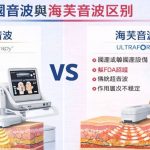
VII. Ultherapy PRIME vs. HIFU/Ultraformer: Which one is better?
This is one of the most frequently searched questions among consumers in 2026. In short:
- If you want the strongest lifting results, the longest-lasting effects, and the highest level of safety – choose Ultherapy PRIME
- If your budget is limited, you have mild to moderate skin laxity, or you want to explore suitable treatment areas – consider HIFU/Ultraformer
- If you have both laxity and firming needs – you may want to consider a combination of ultrasound and radiofrequency treatments
The most significant difference between the American Ultrasound Second Generation and the Korean Haeff Ultrasound lies in the accuracy provided by the DeepSEE™ real-time imaging technology, as well as its clinical safety, which is certified by the FDA. Both technologies use ultrasound, but the American Ultrasound has irreplaceable advantages in terms of visual treatment and international certifications, which is also the main reason why its cost per treatment session is significantly higher than that of the Korean Ultrasound.
VIII. Pre- and Post-Treatment Precautions
Pre-Treatment Preparation
- Inform your doctor in advance if you have any history of using fillers, sutures, or medications
- Arrive at the treatment site without makeup on the day of the procedure; remove all cosmetics and skincare products
- Ensure you get enough sleep and maintain a normal diet; avoid undergoing treatment on an empty stomach
- Those who are particularly sensitive or have a low pain threshold can discuss with the clinic whether topical anesthesia is necessary
Post-Treatment Care Recommendations
- In the 1 to 3 days after the treatment, increase hydration and avoid using irritating skincare products
- Apply daily sunscreen with an SPF of 50+ and avoid direct exposure to sunlight
- Avoid undergoing other high-intensity treatments (such as radiofrequency or lasers) in the short term.
- Maintaining regular basic skincare habits (cleaning, moisturizing, sun protection) can help prolong the effects of the treatment.
- If any unusual discomfort occurs (such as persistent numbness or severe swelling), seek medical advice immediately.
IX. Frequently Asked Questions
Q1: How many sessions are needed for the second generation of US Ultrasound?
Usually, one session is sufficient to achieve significant results, and multiple treatments are not required. After about 1.5 to 2 years, when the effects have naturally faded, you can reassess whether additional sessions are needed. Some doctors recommend a yearly maintenance treatment to maintain optimal skin condition.
Q2: How soon after the second generation of US Ultrasound can I wear makeup?
Generally, you can resume normal makeup application a few hours after the treatment or the next day. It is recommended to wash your face with clean water on the day of the treatment and then resume your usual skincare and makeup routine from the next day. However, it is still advisable to avoid excessive friction or pressure on the treated area.
Q3: At what age is it appropriate to start using the second generation of US Ultrasound?
It is generally recommended to start using it after the age of 25, especially for people aged 28 to 35 who are experiencing noticeable loss of collagen. This is the optimal time for preventive skincare. For those aged 30 to 50 who have significant signs of skin laxity, the treatment is particularly effective.
Q4: How much more expensive is the second generation compared to the first?
Due to the higher initial cost of the second-generation devices, some clinics may charge slightly more than for the first generation. However, since both generations are currently available on the market, the price difference varies depending on each clinic’s pricing strategy. It is recommended to consult directly with the clinic to confirm that they are using the second-generation Ultherapy PRIME device and to ask about the specific details of the pricing.
Q5: Are there any special preparations needed before undergoing the second-generation U.S. Ultrasound treatment?
It is advised to schedule a preliminary consultation in advance so that a doctor can assess the degree of facial sagging, the thickness of your skin, and whether you have recently undergone any fillers or other treatments. A thorough medical evaluation before the procedure is an important step to ensure both effectiveness and safety; do not decide on a treatment plan based solely on online information.
In summary, is the second-generation U.S. Ulthera treatment worth considering in 2026?
Based on the comprehensive evaluations mentioned above, the second-generation Ultherapy PRIME remains the top choice for non-invasive facelift treatments in 2026. Its key advantages include:
- Most advanced technology: Real-time visualization, dual-core processor, and uniform energy delivery, resulting in industry-leading precision.
- Comprehensive certifications: FDA-approved for facelift indications, supported by over a hundred clinical studies.
- Sustained results: Effects last for 1.5 to 2 years, making it highly cost-effective in the long run.
- Significantly improved comfort: The pain level is significantly lower than with the first generation, and there is almost no recovery period required.
- Personalization is more flexible: energy settings can be customized for different areas and skin types.
Of course, the high initial cost of the second-generation U.S. Ultrasound remains a consideration for some consumers. If your budget is limited, Hi-Frequency Ultrasound is a reasonable alternative; however, if you seek the best and most long-lasting non-surgical lifting results, the second-generation Ultherapy PRIME is undoubtedly the strongest option on the market today.
One last reminder: choosing a reputable medical institution and a licensed physician, and undergoing a thorough consultation before starting the treatment, is the surest way to ensure the safety and effectiveness of your cosmetic procedure. In 2026, let the second-generation U.S. Ultrasound become the most worthwhile investment in your anti-aging journey!