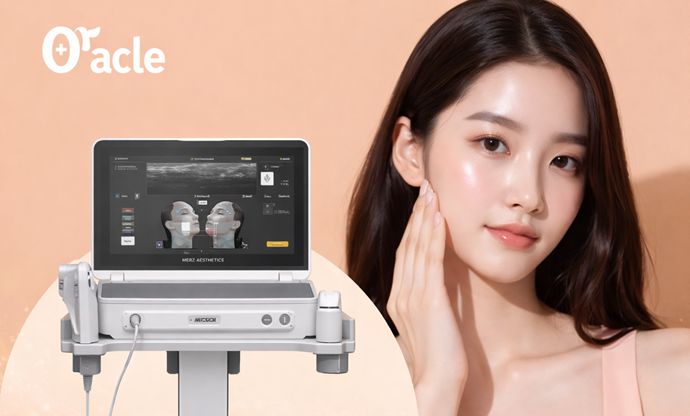

With continuous advancements in non-surgical anti-aging technologies, the Korean medical aesthetics market saw the introduction of a groundbreaking device in 2024: the Ultherapy Prime. Since its launch, this device has quickly become one of the most discussed topics among those seeking cosmetic treatments in Korea. Many people have the same question: how much does the Ultherapy Prime cost? This article will provide you with a comprehensive analysis of its pricing structure, comparisons of fees at different hospitals, and tips on how to choose the right hospital for treatment in Korea.
What is the Ultherapy Prime?
The Ultherapy Prime is a newly upgraded version of the focused ultrasound lifting device, officially launched by the American company Ulthera in October 2024. Compared to the first-generation Ultherapy, the second generation represents a significant technological advancement, particularly in the following areas:
- DeepSee real-time visualization technology: During the treatment, it is possible to observe images of tissues up to 8 mm beneath the skin in real time, allowing for precise control of energy delivery and effectively avoiding any discrepancies in energy distribution.
- Increased treatment depth to 8 mm: It can reach the SMAS layer, resulting in more noticeable effects on contour lifting.
- Approximately 30% faster treatment speed: Thanks to a new transducer design, the treatment duration is reduced, making the whole process more comfortable.
- Significantly reduced discomfort: The improved energy regulation system allows for intelligent adjustment of the energy output based on individual differences, significantly reducing any discomfort experienced during the treatment.
- Longer-lasting results: The collagen regeneration process is more stable, providing effects that can last for 12 to 18 months, and in some individuals with better constitutions, even longer than 2 years.
How much does the Ultherapy Prime cost in Korea? An overview of prices in 2026
The pricing for the second-generation ultrasonic device in Korea is typically based on the number of treatments administered. The required energy points vary depending on the treatment area. Below are the approximate market prices in different regions of Korea in 2026 (converted using the RMB as a reference):
Approximate price ranges based on the number of treatments
- 200 treatments (for localized lifting, such as the jawline or eyebrows): Approximately ₩400,000–₩600,000 (about RMB 2,000–3,000)
- 400 treatments (standard facial treatment): Approximately ₩800,000–₩1,200,000 (about RMB 4,000–6,000)
- 600 treatments (full facial and neck lifting): Approximately ₩1,200,000–₩1,800,000 (about RMB 6,000–9,000)
- 800 treatments or more (full face + neck + collarbone precision lifting): Approximately ₩1,500,000–₩2,500,000 (about RMB 7,500–12,500)
It should be noted that these are approximate market prices. Actual fees can vary depending on factors such as the hospital’s reputation, the experience of the surgeon, and whether anesthesia cream or post-treatment care is included. In high-end hospitals in Gangnam District, Seoul, the average cost for 400 treatments is typically around ₩1,000,000–₩1,200,000 (about RMB 5,000–6,000).
Price comparison of the second-generation ultrasonic device at major hospitals in Korea

1. ID Plastic Surgery Hospital Dermatology Department (ID Dermatology)
Located in Gangnam District, Seoul, ID Plastic Surgery Hospital is one of the most renowned comprehensive medical institutions for cosmetic treatments in Korea. Its dermatology department has introduced the second-generation Ultrasonic Knife from the United States. During the promotional period in 2026, the 400-shot package of the second-generation Ultrasonic Knife was available at a special price of ₩1,200,000 or more (approximately ¥6,000), and this price was even reduced to below ₩1,000,000 during the year-end sale. ID Hospital provides Chinese translation services and is very accommodating to foreign patients seeking cosmetic treatments.
2. Newsha EGG Clinic
EGG Clinic is located in Sinsha-dong, Gangnam, Seoul. It is known for its high-end anti-aging and cosmetic treatments and enjoys the trust of international clients. After introducing the second-generation Ultrasonic Knife from the United States, the clinic offers personalized hair density assessment services. The full-face treatment (including the neck) costs approximately ₩1,500,000–₩2,000,000 (around ¥7,500–10,000). The clinic is meticulously designed, and its service process is rigorous, providing a one-stop experience from consultation to post-treatment follow-up.
3. VelyB Hospital Masan Branch
VelyB Hospital is a rapidly growing chain of dermatology clinics in Korea. Its flagship Masan branch officially introduced the second-generation Ultrasonic Knife, Ultherapy Prime, in 2026. The price is relatively affordable, with the 400-shot package costing approximately ₩800,000–₩1,000,000 (around ¥4,000–5,000). This makes it an ideal option for those with limited budgets who still want to experience high-quality equipment.

4. BTN Dermatology
BTN Dermatology has branches throughout Gangnam and Hongdae in Seoul and is a well-known dermatology institution with a good reputation among many foreign patients. The 400-shot package of the second-generation Ultrasonic Knife costs approximately ₩1,000,000–₩1,400,000, and discounts may be available depending on the hospital’s promotions and the booking channel (e.g., booking through a platform). The clinic provides Chinese-Korean interpretation, ensuring a smooth experience for foreign patients.
Key factors affecting the prices of the second-generation Ultrasonic Knife in Korea
Why can the price of the same 400-shot package of the second-generation Ultrasonic Knife vary significantly between different hospitals? The following factors are crucial in determining the price:
1. Hospital Grades and Geographical Location
High-end hospitals in Gangnam-gu and Cheongdam-dong of Seoul generally charge higher prices than those in other areas. These hospitals invest more, have newer equipment, and their doctors have higher qualifications, so the prices naturally reflect the quality of their services. In contrast, some medium-sized dermatology clinics in Hongdae or Sinsa-dong offer more affordable prices.
2. The Qualifications of the Performing Doctor
If the treatment is performed by a chief physician, the cost is usually higher than if it is done by an assistant doctor or nurse. In Korea, according to medical regulations, ultrasound treatments must be carried out by licensed physicians. However, in practice, some clinics may have nurses assist with the procedure; this is another detail to consider when choosing a hospital.
3. Whether It Is Genuine U.S.-Version Equipment
There are counterfeit or older models of ultrasound equipment on the market being sold under the name “U.S.-version ultrasound devices.” Genuine Ultherapy Prime equipment is expensive and must meet official certification requirements. When making a choice, ask the hospital to provide the device’s serial number or original certification documents to avoid paying for outdated or counterfeit equipment.
4. Additional Services During the Treatment
Some hospitals include costs for anesthesia cream to reduce pain, post-treatment recovery masks, doctor consultation fees, and translation services in their quotes. Other hospitals use a basic fee structure and charge separately for additional services. When comparing prices, make sure to ask clearly what items are included to enable a fair comparison.

Differences Between the Second and First Generation of U.S.-Version Ultrasound Devices: Is the Upgrade Worth It?
For those with limited budgets considering cosmetic treatments, a common question is: How much more expensive is the second generation compared to the first? Is it worth upgrading? Here is a comparison of the key differences between the two generations:
- Visualization system: The first generation did not allow real-time observation of subcutaneous tissues; the second generation uses DeepSee technology for full visualization, significantly improving accuracy.
- Treatment depth: The first generation could reach up to 4.5 mm (fascia layer); the second generation can reach 8 mm (muscle layer), providing deeper lifting effects.
- Procedure speed: The second generation is about 30% faster than the first generation, reducing the time spent at the clinic.
- Pain level: The second generation’s intelligent energy control results in significantly less discomfort compared to the first generation.
- Effect durability: The second generation has a higher efficiency in collagen production, resulting in longer-lasting effects.
In summary, the second generation represents a substantial technological advancement. For those seeking more noticeable and lasting lifting results, choosing the second generation is worthwhile. The price difference between the two generations is approximately 20%–30%; if your budget allows, it is recommended to opt for the second generation.
Who is suitable for the second generation of the US version of the ultrasonic knife?
Not everyone is suitable for the second generation of the US version of the ultrasonic knife treatment. The following groups are the most appropriate candidates:
- People aged 30 and above who are experiencing mild to moderate facial sagging and relaxation.
- Those with blurred jawlines, deepened nasolabial folds, or sagging cheeks;
- Those who wish to improve their facial contours but are reluctant to undergo surgery (such as facelifts);
- Beauty seekers with tight schedules who require a quick recovery period (can travel immediately after the procedure without any recovery time);
- Those who prefer a natural result without obvious signs of plastic surgery.
Treatment is not recommended in the following cases: pregnant or breastfeeding women, those with open wounds on the face or active acne, individuals with metal implants or electronic devices (such as pacemakers), and those taking photosensitive medications.

Precautions for undergoing the second-generation ultrasonic knife treatment in Korea
Preoperative preparations
- Inform your doctor about all medications you are taking (including supplements) two weeks in advance;
- Avoid alcohol consumption and ensure adequate sleep the day before the procedure.
- On the day of the procedure, go to the clinic without applying any skincare products or makeup;
- Make an appointment in advance for the application of the anesthetic cream (it usually needs to be applied 30–60 minutes before the procedure).
Post-procedure care
- It is normal to experience mild redness and a feeling of heat within 24 hours after the procedure;
- Avoid saunas, hot springs, and strenuous exercise for 1 week after the procedure;
- Increase hydration, avoid excessive sun exposure, and use products with a high sun protection factor;
- The results of the procedure usually begin to appear gradually within 2 to 3 months, reaching their peak after 6 months.
How to schedule the second-generation ultrasonic knife treatment in Korea?
For those who do not speak Korean, scheduling cosmetic procedures in Korea can be quite challenging. Currently, there are several main ways to do this:
- Through agencies or cosmetic treatment platforms: Many platforms specialize in serving Chinese patients, providing translation services, transportation, and full accompaniment, making the process convenient and safe.
- Direct contact with the hospital: Some large hospitals, such as ID Plastic Surgery, have official Chinese websites and customer services where you can make appointments online.
- Use Korean beauty apps: Platforms like GangnamUnni allow you to view real user reviews and check for current discounts, but you need to have basic knowledge of Korean or English to use them effectively.
It is recommended to make your appointment at least 2 to 4 weeks before your trip. During peak seasons, such as the Spring Festival holiday or the Golden Week, it’s even better to plan ahead. If you want to get better prices, compare quotes from different sources and keep an eye out for seasonal promotions offered by various hospitals.
Frequently Asked Questions (FAQ)
Q1: Can I see results after just one session of the second-generation Ulthera device?
A: You may feel a slight tightening immediately after the procedure, but significant results usually begin to appear 2 to 3 months later, reaching their optimal state after 6 months, as it takes some time for collagen production to increase.
Q2: Is it safe to undergo the second-generation Ulthera treatment in Korea?
A:The Ultherapy series of devices has been approved by the US FDA, so their safety is well-established. However, when choosing a hospital, make sure it uses original equipment and that the procedure is performed by a licensed doctor to ensure both safety and effectiveness.
Q3: How often should I have this treatment?
A>It is generally recommended to have a maintenance session every 12 to 18 months. The specific interval may vary depending on an individual’s collagen loss rate, age, and lifestyle habits. You can discuss the best schedule with your doctor during your follow-up visits.
Q4: Can the second-generation US version of the ultrasound device be used together with other treatments?
A: Yes, but it is necessary to maintain a certain interval between them. Common combination options include: the second-generation ultrasound device (for deep lifting) + Thermage (for mid-layer tightening) + hyaluronic acid injections (for surface hydration). This three-in-one approach yields more comprehensive results. The specific combination should be determined after a medical evaluation.
In summary, is the second-generation US version of the ultrasound device worth trying in Korea?
Based on all the information provided in this article, the market price of the second-generation US version of the ultrasound device in Korea ranges from approximately 4,000 to 12,500 yuan, depending on the number of treatments, the level of the hospital, and any promotional offers. Compared to similar treatments in China, undergoing treatment in Korea usually ensures the use of genuine equipment and the expertise of qualified doctors. Moreover, the total cost, including airfare and accommodation, can sometimes be more competitive.
If you are considering experiencing the second-generation US version of the ultrasound device in Korea, we recommend the following: ① Compare prices among multiple hospitals in advance; ② Ensure that the equipment is officially certified by the manufacturer; �③ Choose a facility with experience serving foreign patients; ④ Thoroughly understand the precautions before and after the treatment. With proper preparation, this non-invasive skin tightening procedure will be an ideal choice for combating the signs of aging.