
“Korean hyaluronic acid injections” have become a must-do activity for many beauty enthusiasts traveling to South Korea in recent years. Whether you’re seeking delicate, hydrated skin or high-end anti-aging effects, these treatments can meet your needs. However, many people are concerned about the cost of these treatments in South Korea. Are they more affordable compared to Taiwan or Hong Kong? This article will provide you with the latest prices for Korean hyaluronic acid injections in 2026 and recommend 7 dermatology clinics with excellent value for money, so you can make an informed decision before your trip.
What are hyaluronic acid injections? Why are they particularly famous in South Korea?
Hyaluronic acid injections (also known as Skin Boosters or Hydro Needles) are a cosmetic procedure that involves injecting purified ingredients such as hyaluronic acid, amino acids, collagen, and vitamin C directly into the dermis using microneedles. Unlike regular face masks or serums, these injections can penetrate the epidermal barrier and deliver these nutrients directly to the deeper layers of the skin, resulting in:
- Profound hydration, leaving the skin as soft as baby skin
- Improving dullness and brightening the complexion
- Stimulating collagen production and enhancing skin elasticity
- Reducing fine lines and tightening pores
- Minimal downtime after treatment, allowing you to leave immediately
As a leader in cosmetic procedures, South Korea has a high density of dermatology clinics—there are over a thousand alone in Seoul’s Gangnam District. Doctors in South Korea are highly skilled, and the formulas used are often customized. Additionally, since the cost of hyaluronic acid raw materials is lower, the overall value for money of these treatments is generally better than in similar clinics in Taiwan and Hong Kong. As a result, tens of thousands of foreign tourists travel to South Korea each year specifically for these treatments.
Prices of Korean hyaluronic acid injections: the latest market trends for 2026
The price of a single injection of Korean hyaluronic acid varies significantly depending on the brand, formula composition, volume of the injected fluid (in cc), and the level of the medical institution. Here are the latest market prices for 2026 (the conversion to RMB is for reference only; approximately 10,000 South Korean won ≈ 50 RMB):
| Types of hyaluronic acid injections | Key ingredients | Reference price per injection (RMB) | Duration of effects | Suitable candidates |
|---|---|---|---|---|
| Basic hyaluronic acid injections | Primarily contain hyaluronic acid, focusing on moisturization | Approximately 1,000–3,000 RMB | 4–6 weeks | Limited budget, seeking basic improvements |
| Composite hyaluronic acid injections (such as RE2O) | HA + amino acids + collagen stimulators | Approximately 3,000–6,000 yuan | 6–8 weeks | Dry skin, slightly mature skin, seeking comprehensive improvements |
| Salmon DNA injections (PDRN) | Polydeoxyribonucleotides (PDRN), promoting tissue repair and regeneration | Approximately 2,500–5,000 yuan | 4–8 weeks | Sensitive skin, damaged skin, or skin in need of repair |
| Rejuran for babies | PDRN + PN, original Korean brand | Approximately 3,000–6,500 yuan | 6–8 weeks | For skin over 30 years old, improves fine lines and pores |
| High-end customized hyaluronic acid treatments (such as Lizhu Lan Black Box) | PDLLA collagen + high-concentration HA | Approximately 8,000–15,000 yuan | 3–6 months | For mature skin looking for lasting results |
Tip: Most dermatology clinics in Korea offer package deals (e.g., 10% discount on 3 sessions or 20% discount on 5 sessions). It’s more cost-effective to schedule multiple treatments at once. You can also claim a tax refund at the airport upon presenting the receipt (some medical expenses are eligible for tax refunds).
Detailed overview of popular hyaluronic acid injection brands in Korea
① RE2O Hyaluronic Acid Injection (3D Dynamic Technology)
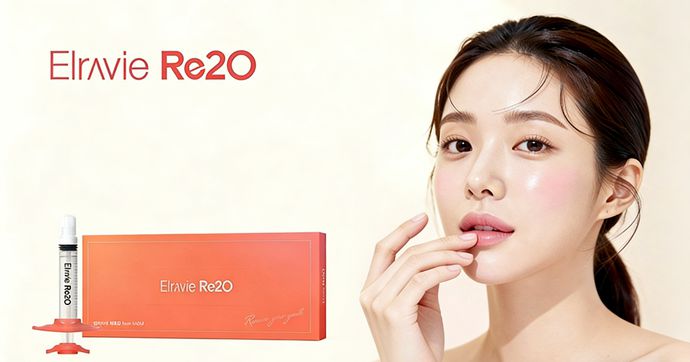
RE2O is one of the most popular advanced hyaluronic acid injections in Korea. It uses “3D dynamic technology” to deliver hyaluronic acid and collagen stimulators directly into the dermis. Clinical data show that skin moisture levels can increase by 210% after the treatment, and firmness improves by 37% after 28 days. The cost per session is approximately 3,000–6,000 RMB (for a 5cc dose).
② Rejuran (Baby Needle/Lijulan)
Rejuran is a star product developed by Pharma Research in Korea. It contains polynucleotides (PN/PDRN) extracted from salmon DNA, which stimulate fibroblast division and promote collagen regeneration. This treatment is especially suitable for people with noticeable fine lines, enlarged pores, or loose skin, and is the top choice for those over 30 years old. The cost per session is approximately 3,000–6,500 RMB.
③ Salmon Needle (PDRN Hyaluronic Acid Injection)
The Salmon Needle has similar ingredients to the Baby Needle, but differs in brand and concentration. Its main effects are to repair damaged skin and improve dry, sensitive skin conditions. It is particularly effective for those whose skin has been damaged by prolonged exposure to ultraviolet rays or the use of harsh skincare products. The cost is relatively affordable, ranging from 2,500–5,000 RMB per session.
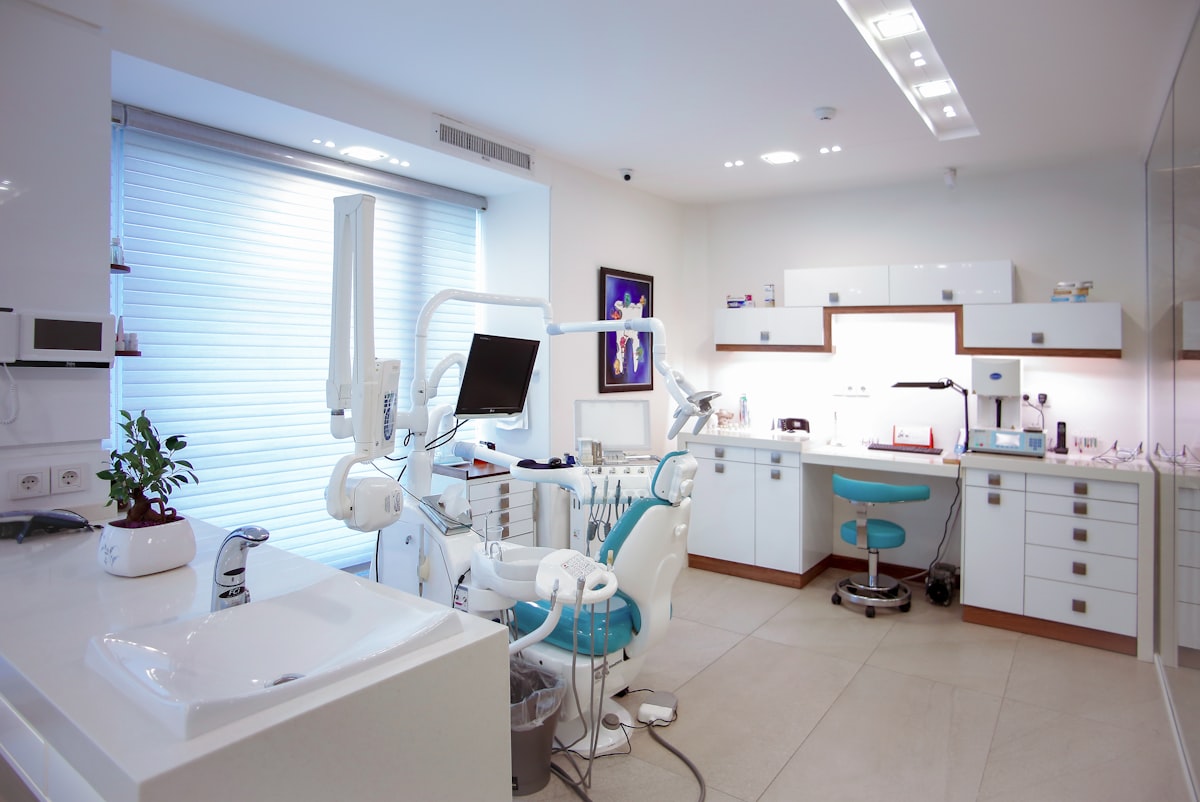
Top hyaluronic acid injections in Korea in 2026: 7 best value-for-money options
1. Elev Dermatology (Gangnam District, Seoul)
Cost per session: Approximately 5,000 RMB (RE2O 5cc) Key features: Personal consultation by the
director, combined with VISIA skin analysis; available with titanium boosters for enhanced anti-aging effects. Suitable for thos
e seeking high-quality one-on-one care. Note: Appointments must be rese
rved at least 2 weeks in advance; during peak periods, it may take up to 1 month.
2. Shinebom Dermatology (Seoul)
Cost per session: Approximately 6,000 RMB (RE2O 5cc) Key features: „Three-point positioning technology
“ ensures even distribution of the injection; equipment can be scanned for authenticity, providing high transparency. Sui
table for those looking for natural results and having a sufficient budget.
3. Kaelia Dermatology (Seoul)
Cost per session: Approximately 3,500 RMB Key features: Same
price as in China, tax-refundable; generous post-treatment gifts; convenient location. Su
itable for students on a medium budget or first-time users seeking good value for money.
4. Alive Dermatology (Seoul)
Cost per session: Approximately 3,800 RMB Key features: The director sp
ecializes in treating sensitive skin; no sales pressure; services are provided in Chinese throughout the process. Suitabl
e for people with sensitive or problematic skin, especially those concerned about language barriers.
5. JD Dermatology (Seoul)
Single treatment fee: Approximately 1,100–2,750 RMB. Key advantages: High cost-performance r
atio in basic skincare services; skin examinations are conducted before injections; doctors have extensive experience. Suitable
for: First-time visitors with limited budgets who seek basic improvements to their skin.
6. Ben Yan Dermatology (Seoul)
Single treatment fee: Approximately 3,700 RMB. Key advantages: The d
irector has a background in plastic surgery and focuses on both contour improvement and skin enhancement; post-treatment follow-up services are provide
d. Suitable for: Those who wish to improve both their skin quality and facial contours.
7. With Dermatology (Jeju Island)
Single treatment fee: Approximately 3,000 RMB. Key advantag
es: Ideal for those traveling to Jeju Island; offers package discounts and Chinese-speakin
g services. Suitable for: Beauty seekers who want to take care of their skin while on vacation.

Korea vs Taiwan vs Hong Kong: A comprehensive comparison of hyaluronic acid injection prices.
| Comparison criteria | Korea | Taiwan | Hong Kong |
|---|---|---|---|
| Basic Package (one-time use) | RMB 1,000–3,000 | TWD 3,000–8,000 (approximately RMB 700–1,900) | HKD 2,000–5,000 (approximately RMB 1,800–4,600) |
| Comprehensive Package (one-time use) | RMB 3,000–6,000 | TWD 8,000–15,000 (approximately RMB 1,900–3,600) | HKD 5,000–10,000 (approximately RMB 4,600–9,200) |
| High-end customization (one-time) | RMB 8,000–15,000 | TWD 15,000–30,000 (approximately RMB 3,600–7,200) | HKD 10,000–20,000 (approximately RMB 9,200–18,400) |
| Doctors’ technical expertise | ★★★★★ | ★★★★ | ★★★★ |
| Degree of formula customization | Extremely high (personalized prescriptions) | Moderate | Moderate |
| Tax-deductible | Yes (for certain medical expenses) | No | No |
As can be seen from the table above, the prices of hyaluronic acid injections in Hong Kong are generally 1.5 to 3 times higher than those in South Korea. In Taiwan, the basic versions are comparable to those in South Korea, but the more advanced composite versions are significantly more expensive. Taking into account the costs of airfare and accommodation in South Korea, if you plan to receive more than three injections, the total cost is usually still more affordable compared to having them done in Hong Kong or Taiwan.
Getting Hyaluronic Acid Injections in South Korea: Cost Estimates and Preparations Before Travel
Cost Estimates (using Hong Kong as an example)
| Item | Cost estimate (in Hong Kong dollars) |
|---|---|
| Flight from Hong Kong to Seoul (low-cost airline) | HKD 800–1,500 |
| Accommodation in Seoul (2 nights, near Gangnam District) | HKD 600–1,200 |
| RE2O hyaluronic acid injection (1 session, at cost-effective clinics like Kailiya) | Approximately HKD 1,900 |
| Food and transportation expenses | HKD 400–600 |
| Total | HKD 3,800–4,800 |
In contrast, a similar treatment at a high-quality clinic in Hong Kong would cost around HKD 5,000–10,000. In other words, going to South Korea for this treatment might be more cost-effective than having it done solely in Hong Kong—and you get the added benefit of a trip!
Pre-departure checklist
- Book your preferred clinic 2–4 weeks in advance (this may need to be even sooner during peak seasons).
- Bring your passport and photos (some clinics require filling out medical forms).
- Stop using skincare products containing retinol or fruit acids 3 days before the procedure.
- Avoid drinking alcohol 24 hours before the treatment.
- It is recommended not to schedule important activities on the day of the procedure; there may be slight redness or minor bruising at the injection sites.
- Prepare plenty of sunscreen, as extra protection will be needed after the treatment.
- Keep all medical receipts handy to claim a tax refund upon leaving the country.
Post-treatment care for hyaluronic acid injections: the key to maximizing results
Post-injection care is equally important and directly affects the final results and duration of effect:
Within 24 hours after the procedure
- Avoid contact with water and do not apply makeup, including mild cleansing products
- Do not rub the injection area
- You can use the repair masks provided by the clinic for cold compresses to soothe the area
- Slight needle marks and redness are normal and usually subside within 24 hours
1–2 weeks after the procedure
- Use SPF 50+ sunscreen daily
- Choose products that are gentle and moisturizing, avoiding irritating ingredients
- Avoid saunas and high-temperature environments such as hot yoga.
- Temporarily stop using skincare products that contain alcohol, retinol, or high-concentration fruit acids.
Long-term maintenance recommendations
The effects of hyaluronic acid injections usually last for 4 to 8 weeks. It is recommended to get the injections 3 to 4 times a year to maintain the best results. For longer-lasting effects, consider combining them with other treatments such as ultrasound or Thermage. Korean dermatologists can usually provide personalized treatment plans.
How to choose a reliable Korean clinic for hyaluronic acid injections?
With so many dermatology clinics in Korea, how can you tell which ones are good? Here are 5 criteria to consider:
- Personal consultation by the director: Ensure that the injections are performed by a licensed doctor, not a nurse. Reject the practice of “the director prescribes the treatment and an assistant performs the injections.”
- Use of genuine medications: Request that the clinic provide certification for the brand of hyaluronic acid being used. Some clinics even offer scanning services to verify the authenticity of the products.
- Premature skin assessment: Responsible clinics will use devices like VISIA to evaluate your skin condition before proceeding with the injections, rather than just administering them immediately.
- Clear pricing and no forced sales: The clinic should be willing to provide you with a clear price quote without trying to pressure you into buying additional packages.
- Providing Chinese-language services: smooth communication in language helps ensure accurate expression of needs and understanding of post-treatment precautions.
FAQs
Q1: How often should Hyaluronic Acid injections be done for optimal results?
It is recommended to inject every 4–8 weeks. In the first year, it is suggested to have 3–4 intensive injections. Once the effects are stable, the interval can be extended to once every 3–6 months for maintenance.
Q2: Are there any side effects of Hyaluronic Acid injections?
Common mild side effects include slight redness at the injection site, needle marks, and minor hematoma, which usually subside on their own within 1–3 days. In very rare cases, allergic reactions may occur; choosing a reputable medical institution can significantly reduce this risk.
Q3: Can Hyaluronic Acid injections be done during pregnancy or breastfeeding?
It is not recommended to undergo any injectable cosmetic procedures during pregnancy or breastfeeding. Please consult a doctor after breastfeeding has ended.
Q4: What is the difference between Hyaluronic Acid injections and hyaluronic acid fillers?
Hyaluronic Acid injections use uncrosslinked small molecule hyaluronic acid, which is evenly distributed throughout the skin. Their main purpose is to hydrate the skin and improve its overall quality. Hyaluronic acid fillers, on the other hand, use crosslinked large molecule hyaluronic acid and are used for targeted contouring (such as filling nasolabial folds or enhancing cheek volume). The two have different uses but can be used in combination when necessary.
Q5: How far in advance should one book a session for hyaluronic acid injections in Korea?
For regular clinics, a reservation 3–7 days in advance is usually sufficient. However, for popular clinics like Elev and Shinebom during peak seasons, it’s best to book 2–4 weeks in advance. It’s recommended to contact the clinic as soon as your travel plans are confirmed.
In summary, is the cost-performance ratio of hyaluronic acid injections in Korea good enough to justify a trip there specifically?
Overall, the quality and price of hyaluronic acid injections in Korea are significantly better than those in Taiwan and Hong Kong, especially for more advanced and customized treatments. If you plan to get these injections 2–3 times a year, the total cost, including travel expenses, is usually lower than undergoing the same treatment in Hong Kong or Taiwan.
When choosing a clinic, it’s more important to consider factors such as the qualifications of the doctors, the authenticity of the products used, the pre-treatment assessment process, and the post-treatment care than just the price. It’s advisable to do thorough research in advance and choose a reputable and transparent dermatology clinic to ensure that each injection is safe and effective.
If you are considering a medical beauty trip to Korea, why not include hyaluronic acid injections in your itinerary? After all, who could resist having glowing, radiant skin like a “Korean oppa/onnie” after returning from Seoul?