
In the field of cosmetic eye surgery in Korea, “reparation” represents a more challenging and risky procedure than a initial operation. For those who have undergone procedures like canthoplasty or double eyelid surgery at other hospitals but did not achieve the desired results, finding a specialist who truly understands eye repair is crucial for restoring a natural and vibrant appearance. Dr. Jung Yun-jae, the director of Eve Plastic Surgery in Korea, has become one of the recognized authorities in this field due to his over a decade of expertise in eye repair. This article will provide a comprehensive analysis of “how Eve Plastic Surgery’s eye repair techniques work” by examining various aspects such as the hospital’s background, Dr. Jung’s technical expertise, core procedures, suitable candidates, and consultation guidelines.
I. Eve Plastic Surgery in Korea: The Synonym for Expertise in Eye Surgery
Eve Plastic Surgery (이브성형외과) is located in the heart of Sinchon-dong, Gangnam-gu, Seoul (585-15 Sinchon-dong). It is a specialized medical institution that focuses exclusively on eye plastic surgery and repair. Established over a decade ago, it has developed a deep expertise in this area.
Unlike most general plastic surgery hospitals, Eve Plastic Surgery specializes almost entirely in eye-related procedures. This high level of specialization allows its medical team to concentrate all their clinical resources, research efforts, and technical expertise on the detailed study of eye anatomy. In the highly competitive Gangnam plastic surgery community, Eve, along with renowned institutions like BIO Plastic Surgery and Cheongtan First, is considered to be among the leading providers of canthoplasty services in Korea.
The Hospital’s Core Philosophy:
- Limited Daily Surgery Schedule: Each doctor is allowed to perform a maximum of 2 surgeries per day to ensure that every patient receives 100% attention and to avoid a “assembly-line” approach to treatment.
- Microsurgical Precision: The use of surgical microscopes provides a clear view, enabling precise identification of delicate eye structures and minimizing bleeding and tissue damage during procedures.
- Emphasizing Both Function and Appearance: The surgeries not only aim to enhance visual aesthetics but also consider health factors such as the proper closure of the eyelids, the normal function of tear ducts, and any sensations of dryness or irritation.
II. Dr. Jung Yun-jae: A Key Figure in the Field of Eye Repair
Dr. Jung Yun-jae is a licensed plastic surgeon in South Korea, with a solid academic background and extensive clinical experience:
- He holds master’s and doctor’s degrees from the School of Medicine at Korea University.
- He has served as a resident surgeon in the Department of Plastic Surgery at Anam Hospital, Korea University.
- He also worked as a resident surgeon and underwent specialist training in the Department of Plastic Surgery at Ewha Womans University Medical Center.
- He was a lecturer in the Department of Plastic Surgery at Dankook University Hospital.
- He served as an advisory expert in ophthalmic plastic surgery at the National Medical Research Institute of South Korea.
- He independently developed a surgical technique for correcting inner canthus deformities suitable for Asian patients, which has since been included in standard teaching materials.
- He participated in free facial deformity surgery projects in Da Lat City, Vietnam.
Dr. Jung Yun-jae’s surgical philosophy can be summarized as follows: “First address structural and functional issues, then restore natural beauty.” He emphasizes that the essence of cosmetic eye surgery lies in tissue reconstruction, not merely beautification. Therefore, each procedure requires an anatomical analysis of potential complications to develop a personalized treatment plan, rather than applying a one-size-fits-all approach.
III. The Five Core Advantages of Dr. Zheng Runzhai’s Eye Repair Techniques
1. Microscopic Precision Dissection Technique
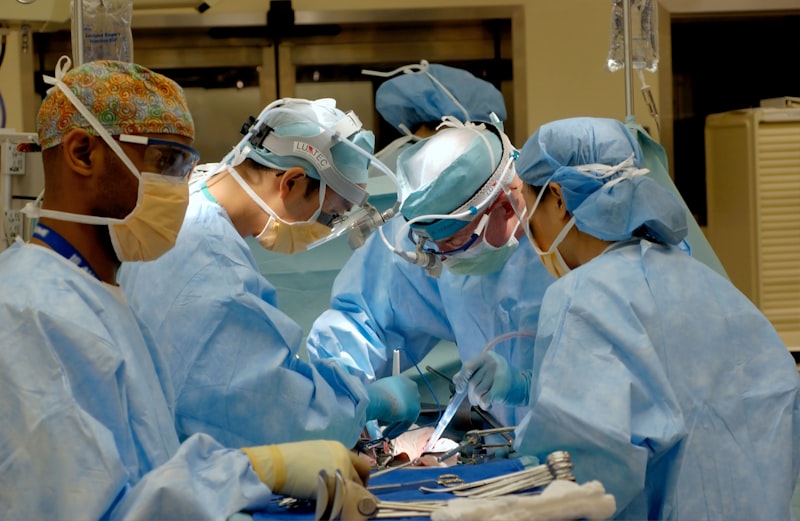
During the surgery, Dr. Zheng Runzhai uses a surgical microscope throughout the procedure, which provides a high-resolution view of the delicate muscles, blood vessels, and nerve structures in the eye. This precise visualization enables surgeons to carefully avoid important structures, significantly reducing the risk of bleeding and nerve damage during the operation. It also allows for more accurate alignment and suturing, resulting in less scarring after the procedure.
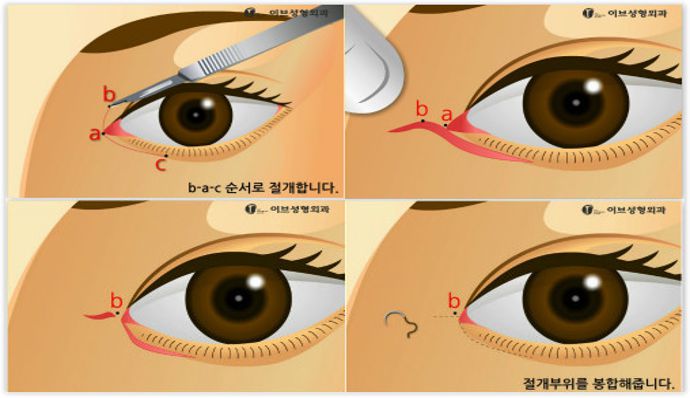
2. Canthoplasty (Restoration of Inner Canthus Skin)
This is one of the most representative procedures in EVE’s eye repair services, specifically designed to address issues that arise after failed canthoplasty surgeries—such as exposed tear ducts, unnatural canthal shapes, sagging canthi, or noticeable scars. Dr. Zheng Runzhai has developed a surgical approach that uses remaining tissue to reconstruct the support structure of the inner canthus ligaments. Through meticulous tissue dissection and layered suturing, this technique restores a natural canthal curve, making the repaired appearance look more natural rather than artificially enhanced.
Suitable Candidates: Individuals who have experienced problems such as exposed tear ducts, redness at the canthi, dryness and discomfort in the eyes, asymmetrical canthal shapes, or dull eye expressions after canthoplasty.
3. Double Eyelid Repair Technique
Double eyelid repair is one of the most complex cosmetic surgeries, and there are many reasons for its failure, including excessive adhesion, removal of too much tissue, asymmetry between the two sides, or damage to the levator muscles. Dr. Zheng Runzhai’s repair approach follows a “three-step” principle:
- Accurate Diagnosis: A detailed assessment of the eye’s structure is conducted before the surgery, using photo comparisons and functional tests (such as measuring the strength of eyelid elevation) to identify the root cause of the problem.
- Tissue Reconstruction: Scar adhesions are removed, and the function of the levator muscles is restored. If necessary, autologous fat or fascia is used to fill in any missing tissue.
- Personalized shaping: Based on the patient’s eye fissure length, the distance between the eyebrows and eyes, and the proportions of facial features, the double eyelid shape is redesigned to fit individual characteristics, rather than using a one-size-fits-all “standard version.”
4. Scarless suturing technique
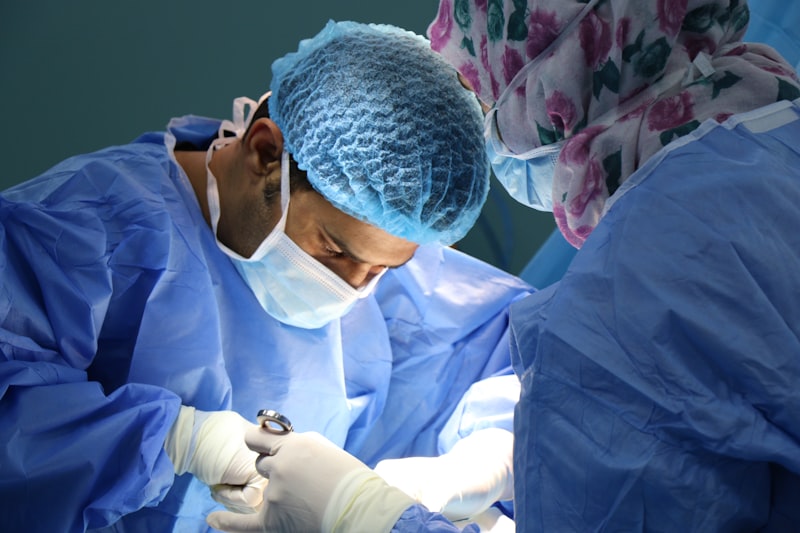
In terms of suturing techniques, Director Zheng Runzai uses a multi-layered, precise alignment suturing method that aligns with the natural texture and tissue layers of the skin, distributing skin tension evenly and preventing scar formation. Imported absorbable protein sutures are also used, eliminating the need for stitches and reducing the risk of secondary irritation and infection. After the procedure, personalized scar management plans are provided, including scar creams, silicone patches, and laser-assisted scar reduction treatments, to optimize postoperative results from multiple perspectives.
5. Scar depression repair (subcutaneous filling technique)
For patients with existing scar depressions or corner-of-the-eye recesses, Director Zheng Runzai employs a comprehensive approach that includes meticulous subcutaneous tissue dissection combined with autologous fat transplantation or the injection of filling materials. This effectively reduces the depth of the depressions, making the eye contours more rounded and smooth. This technique is particularly important for complex cases that have undergone multiple previous repairs and have significant tissue loss.
IV. Analysis of typical repair cases
Below are two common types of repair cases that demonstrate Director Zheng Runzai’s clinical approach:
Case 1: Tear trough exposure and redness at the corners of the eyes after canthoplasty
Problem description: After undergoing canthoplasty at another hospital, the patient experienced noticeable tear trough exposure (commonly referred to as “redness at the corners of the eyes”), persistent dryness in the eyes, tearing when exposed to wind, and an obviously unnatural appearance at the corners of the eyes.
Reparation method: Through canthoplasty, the exposed tear troughs are covered again, the direction of the canthal ligaments is adjusted to restore a natural corner angle. At the same time, hypertrophic scars around the eye corners are treated, and the curvature of the eye corners is reconstructed using layered suturing techniques.
Postoperative results: The redness around the eyes is eliminated, dryness is significantly reduced, the gaze becomes more lively, and the shape of the eye corners appears natural and soft. Three months after the procedure, the scars are almost invisible. Reference cost: Approximately 3 million Korean won (about 16,000 RMB).
Case 2: Multiple failed double eyelid surgeries + asymmetry correction
Problem description: The patient had undergone two double eyelid surgeries—once with the incision method and once with the suture method—but still experienced asymmetry, a noticeable excess skin on the left side, and unclear lines on the right side.
Reparation method: The scar tissue on both sides was thoroughly released. After evaluating the levator function, the lifting strength of both sides was adjusted to achieve symmetry. The shape of the double eyelids was redesigned based on the individual’s eye structure, using naturally adhering sutures. Absorbable threads were used for the stitching.
Postoperative results: The excess skin was removed, and the shape of both double eyelids became symmetrical and natural, with clear and smooth lines. The patient’s eye appearance fully recovered. The patient could go out 7 days after the surgery, and the results stabilized completely after 3 months. Reference cost: Approximately 3.5 million Korean won (about 19,000 RMB).

V. Cost reference and appointment guidelines
| Surgical procedures | Reference costs (Korean won) | Reference fees (in RMB) | Difficulty level |
|---|---|---|---|
| Inner canthus repair surgery (performed by Dr. Zheng Runzai) | 2.8 million to 3.5 million Korean won | Approximately 15,000 to 19,000 yuan | Medium to high |
| Comprehensive canthus restoration surgery | 2.5 million to 3.2 million Korean won | Approximately 13,500 to 17,000 yuan | Medium |
| Double eyelid repair | 3.2 to 4.2 million Korean won | Approximately 17,000 to 23,000 yuan | High |
| Repair of scarred and sunken corners of the eyes | 3 to 3.8 million Korean won | Approximately 16,000 to 20,500 yuan | High |
| Comprehensive eye repair package | Over 5 million Korean won | Over approximately 27,000 yuan | Extremely high |
※ The above fees are merely indicative ranges; the actual cost will be determined based on the hospital’s assessment during the consultation. The fee includes the surgery itself, anesthesia, and basic postoperative care.
Reservation process
- Book in advance: Dr. Jung Yun-jae has a strict limit on the number of surgeries he performs each day. It is recommended to reserve a spot 1 to 2 months in advance; during the peak seasons (spring and autumn), you may need to book even earlier.
- Pre-surgery preparation: Please bring all relevant documents from previous surgeries, including before-and-after photos and surgical records (if available). This will help the doctor assess and plan the repair more accurately and quickly.
- Consultation: EVE provides initial online consultations. You can make an appointment through the official LINE account or website, and then come to Seoul for a face-to-face consultation. The clinic also offers Chinese interpretation services.
- Postoperative arrangements: It is recommended to stay in Seoul for at least 7 to 10 days after the surgery so that the hospital can perform postoperative dressing changes and provide necessary care.
VI. Who is suitable for seeking eye repair treatment with Dr. Jung Yun-jae?
Based on the clinical expertise of EVE Plastic Surgery, the following types of patients are those for whom Dr. Jung Yun-jae is particularly skilled in providing repair services:
- Those who experience functional issues such as exposed tear ducts, dryness, or excessive tearing after canthoplasty
- Those who have asymmetry, unclear lines, or excess tissue after double eyelid surgery
- Those with noticeable scars, overgrowth, or indentations from corner or eyelid surgeries
- Complex cases that have undergone more than two failed revisions and involve severe tissue damage
- Those who wish for a natural outcome that fits their facial features, without overly exaggerated eye shapes
- Those with high requirements for surgical safety and direct attention from a surgeon
VII. Frequently Asked Questions (FAQ)
Q1: How much more difficult is an eye repair surgery compared to a initial procedure?
Eye repair surgeries are significantly more challenging than initial procedures. This is because previous surgeries have already caused changes in tissue structure, scar adhesions, and tissue loss. Surgeons must perform delicate operations in a complex anatomical environment while also achieving both functional recovery and cosmetic improvement. This is precisely why repair surgeries require higher technical expertise and correspondingly higher costs.
Q2: Does Dr. Zheng Runzhai perform every surgery himself?
Yes. EVE Plastic Surgery adheres to the principle of “the attending physician performing the surgery.” Dr. Zheng Runzhai is responsible for everything from preoperative planning, intraoperative procedures, to postoperative care—no assistants or other doctors take over these tasks. This is also the main reason why EVE strictly limits the number of surgeries performed each day.
Q3: How long is the recovery period after the surgery?
Generally, the swelling is most noticeable within 3 to 5 days after the surgery. You can go out in public about a week later, wear light makeup after 2 weeks, and most of the swelling will subside by 1 month. The final results take 3 to 6 months to fully stabilize. Since Dr. Zheng Runzhai uses minimally invasive incisions and absorbable sutures, the recovery period is shorter compared to other procedures.
Q4: Does EVE Plastic Surgery offer Chinese-language services?
Yes. The clinic has staff who can provide Chinese translations throughout the entire process, including preoperative consultations, intraoperative communication, and postoperative care instructions. It is recommended to confirm the availability of Chinese-speaking staff in advance through the official LINE account or email to ensure service on the day of your appointment.
Q5: How can I determine if I need eye repair surgery?
If you experience any of the following after previous eye surgeries, it is advisable to consider eye repair: abnormal eye function (such as an inability to close your eyes completely or persistent dryness), noticeable scars or asymmetrical eye shapes, dull or unnatural eye expressions, or if multiple surgeries have not achieved the desired results. It is recommended to seek professional consultation first so that a doctor can assess whether repair surgery is necessary.
Conclusion: Is Dr. Zheng Runzhai’s eye repair technique reliable?
Based on various sources and clinical feedback, Dr. Zheng Runzhai of Korean EVE Plastic Surgery has indeed demonstrated considerable technical expertise in the field of eye repair. His highly specialized approach, precise microsurgical techniques, system of limiting daily surgeries to maintain quality, and custom-developed repair procedures tailored to Asian eye structures all indicate his deep expertise in this area. For those who have suffered from unsuccessful eye surgeries and are seeking more refined repair options, Dr. Zheng Runzhai is certainly one option worth considering.
Of course, any surgery carries some risks. Before making a final decision, it is essential to visit a clinic for a face-to-face consultation. Let a doctor determine the most appropriate course of action based on your individual eye condition. Do not make decisions solely based on information found online.