Recently, many fans who plan to go to South Korea for cosmetic surgery in 2026 have been asking about tax refunds. After all, the previous 10% VAT refund was a small benefit that motivated many people to choose medical treatments in South Korea. Today, let me clarify the latest developments: The new tax refund policy for cosmetic surgery in South Korea in 2026 has been revealed! The 10% VAT refund will no longer be available, but some hospitals have introduced subsidies that can be deducted. In simple terms, the previous tax refund benefit is gone, but many reputable hospitals have provided alternative subsidy programs, resulting in a more stable cost-performance ratio. Below, I will explain in detail the new policy, how to obtain the subsidies, and tips for choosing a hospital.
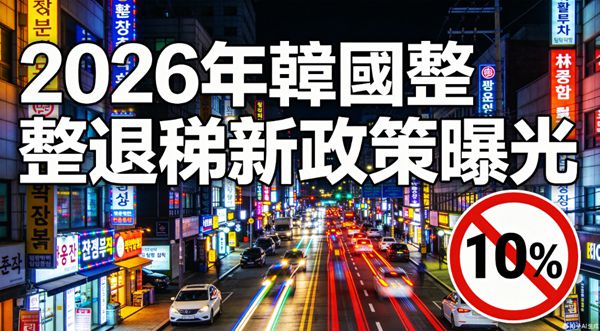
I. Explanation of the new tax refund policy for cosmetic surgery in South Korea in 2026: Why isn’t the 10% VAT refund available anymore?
First, we need to understand how the tax refund was previously handled and why it is no longer available now.
What was the “tax refund” in the past? S
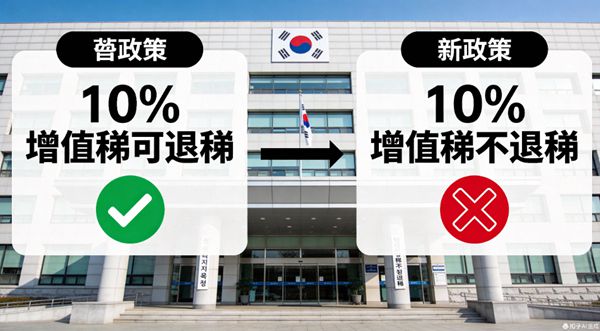
imply put, when you paid at a cosmetic surgery clinic in South Korea, 10% of the amount included additional value-added tax (VAT). As a foreign tourist, you could go to the tax refund counter at the airport upon departure and submit the tax calculation document and payment receipt issued by the clinic to get this 10% refunded. This money was returned to you personally.
What has changed with the new policy in 2026? Acco
rding to adjustments made by the South Korean National Tax Service, starting from 2026, medical services provided to foreign patients, including plastic surgery, will no longer be eligible for this “10% VAT refund” program. This means that the price you pay at the clinic is the final price, and you will no longer be able to apply for a tax refund later on.
The real reason behind this change: clearer prices and fewer dispu
tes. Many industry insiders have told me that the initial intention of this change was to regulate the market. Previously, some institutions used the tax refund as a marketing gimmick, playing word games in their pricing, which led to opaque final prices and even disputes. Now that the tax is included directly in the price, the quotes provided by clinics are “all-inclusive,” making it easy for customers to compare prices and avoiding the hassle and uncertainty associated with tax refunds.
II. The new approach: How do “hospital subsidies” offset the impact of the change?
Although the policy closed one door, smart South Korean hospitals quickly opened another. To maintain their competitiveness and attract international customers, many large, reputable cosmetic surgery clinics have already taken action.
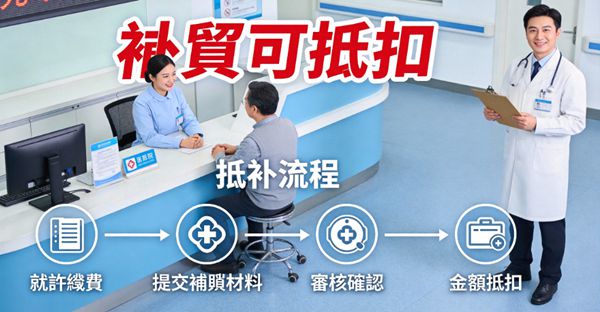
The key answer is here: Although the 10% VAT refund is no longer available, some hospitals have introduced “international patient subsidies” or “special discounts” that can be directly deducted from the cost.
This is fundamentally different from the tax refund system, but the results may be similar or even better:
1. The subsidy is provided in a straightforward manner.
Surgery fee discounts: This is the most common method. Hospitals will include a direct percentage discount (for example, 8%, 10%, or more) in your quotation, which effectively compensates for the tax refund amount.
Upgrading packages: Without increasing the total cost, you can upgrade to higher-quality implant materials (such as changing from Manto to Naquilie) or add additional services (like post-surgery care or extra skin treatments).
Fixed-amount subsidies: For specific items, a clear monetary discount is provided.
2. What are the advantages of these subsidies?
Immediate savings without extra hassle: The money is saved right at the time of the transaction, so you don’t have to deal with the complexities of tax refunds, queueing, or worrying about whether the process will succeed.
Clearer negotiation options: You can communicate more directly with the hospital’s consultants to determine the final cost and ensure all discounts are clearly stated.
Choosing reputable hospitals provides greater reliability: Hospitals that offer such subsidies are usually large, established institutions with stable patient bases, which prioritize long-term reputation over one-time transactions.
III. In-depth analysis: Korea’s new 2026 cosmetic surgery savings strategies—how to take advantage of these discounts?
Since the government no longer provides tax refunds, how can we still save money through hospital subsidies? Here are some new ways to save money when undergoing cosmetic surgery in Korea in 2026:
1. Platform-coordinated discounts: A form of “tax deduction”
Many Korean hospitals now collaborate with service platforms for overseas travelers, such as apps like BeautsGO, to offer limited-time promotions.
Data cards + cash back: For example, downloading a designated app to make a reservation may earn you a Korean data card, and after completing the treatment, you could receive thousands or even tens of thousands of Korean won in cash back.
Special holidays promotions: During events like Double Eleven or the Spring Festival, hospitals will work with platforms to offer discounts or free treatments.
How to use it: You need to do some research before traveling—check various platforms to see if there are such discount campaigns. This cash back is essentially equivalent to getting that 10% tax back, and sometimes it’s even more beneficial than a tax refund!
2. Direct price reductions/holiday packages
To offset the price increases caused by the cancellation of tax refunds, many hospitals adjusted their pricing structures in 2026.
Combo packages are more cost-effective: Instead of charging separately for each treatment, hospitals now offer “beauty packages,” such as a combined nose and eye treatment, which are much cheaper than buying them individually.
Direct price cuts: For highly competitive treatments, hospitals may lower their prices directly to stay competitive and give customers that 10% savings advantage.
3. Post-treatment care and additional services
Some high-end hospitals no longer rely on simple methods such as “cashbacks” and “price reductions”; instead, they transform this money into “services.”
Free repairs/guarantees: Offer extended follow-up appointments after surgery or free minor adjustments.
Translation and transportation: Provide higher-quality Chinese translation services, and even free airport transfers and accommodation subsidies.
Value realization: Although no direct payment is made, these services are of great value, allowing you to have more peace of mind and comfort during your plastic surgery in Korea. In fact, this is also a form of hidden “discount.”

IV. The honest opinion of an industry veteran: Is it still worth going to Korea for plastic surgery in 2026?
Many people worry that without the tax rebate, plastic surgery in Korea will no longer be cost-effective. As someone who has seen countless cases and worked with numerous hospitals, my answer is: It still worth it!
Technical barriers remain: South Korea’s technical expertise in refined plastic surgery and minimally invasive anti-aging treatments cannot be easily surpassed. Especially for procedures like eye, nose, and facial contouring, Korean doctors’ skills are still among the best in the world.
Prices are now more transparent: In the past, when tax rebates were available, some unscrupulous intermediaries and hospitals would exploit this system, engaging in shady practices like offering “cash discounts without receipts.” Now that the tax rebate system is gone, everyone operates in a more open and regulated manner, making prices clearer and more understandable. Isn’t that a good thing?
The overall cost-effectiveness is still high: Although the tax rebate is 10% lower, considering Korea’s pricing logic for medical aesthetics and the additional discounts hospitals offer to retain customers, going to Korea for plastic surgery still provides significant cost advantages compared to similar services in China.
V. My recommendations for traveling to Korea in 2026
Since we have decided to improve our appearance, let’s adapt to the changes in policies. To make your plastic surgery journey to Korea in 2026 smoother, here are some tips for you:
1. Don’t believe in “cash tax avoidance”: Never listen to intermediaries or certain hospitals claiming that “paying in cash without official documentation will save you 10%.” Such deals without proper invoices or contracts leave you without any evidence in case of medical disputes, posing a great risk!
2. Compare prices and look at package deals: When consulting hospitals, don’t just focus on individual service prices. Ask about any package discounts or promotional offers in collaboration with platforms.
3. Choose reputable institutions with proper qualifications: This is always the most important factor. Regardless of any discounts, the hospital’s reputation, the doctor’s experience, and the results of previous cases are what truly guarantee your success.
4>Stay calm: Although policies may change, our goal of looking better remains the same. Even if the official 10% tax rebate is no longer available, hospitals still offer various discounts and promotions, allowing us to access top-tier cosmetic treatments at competitive prices.
Summary: The new policy on tax rebates for plastic surgery in Korea in 2026 has been announced! The 10% VAT rebate is no longer available, but some hospitals offer deductible subsidies!
To summarize today’s discussion: The Korean cosmetic surgery market in 2026 has indeed entered a “post-tax-rebate era.” The official 10% VAT rebate policy has officially ended, and this is an irreversible change.
However, for those of us seeking beauty treatments, this does not mean that “this path is closed” or that “we must spend more money.” As we analyzed earlier, “some hospitals offering deductible subsidies” has become the new norm in 2026. Smart hospitals are using more direct discounts, transparent packages, and generous gifts to retain customers. This is actually a positive sign of the industry transitioning from relying on policy incentives to focusing on the value of technology and service.
So, if you plan to undergo cosmetic surgery in Korea in 2026, don’t let the cancellation of tax rebates deter you, and don’t panic over it either. By doing your research carefully and choosing reputable hospitals willing to offer reasonable discounts, you can still access top-quality cosmetic treatments at competitive prices.