
Among the many non-surgical anti-aging options, the combination of the second-generation Ultherapy Prime and Onda microwaves has become one of the most popular “dual-effect lifting” treatments in Korean cosmetic clinics in recent years. Many patients often ask: How long does it take for the effects of Ultherapy Prime combined with Onda to become visible? This article will detail the mechanisms of action for each technology, the timeline for seeing results, as well as the synergistic effects and important precautions after combined treatment, helping you set realistic expectations for the treatment.
What is the second-generation Ultherapy Prime? What about Onda microwaves?
Before understanding the timeline for results of this combined treatment, let’s first understand the principles behind each technology:
Second-generation Ultherapy Prime
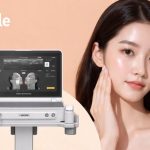
The second-generation Ultherapy Prime is the latest generation of microfocused ultrasound lifting device officially released by the American company Ulthera in October 2024. It is the only non-invasive “lifting” treatment globally to have received triple certification from the US FDA, the EU CE, and Taiwan’s TFDA. Its key technologies include:
- Deep SEE™ real-time visualization technology: During the treatment, images of tissues up to 8 mm beneath the skin can be observed in real time on a screen, allowing precise control of the energy delivery depth.
- Treatment depth of 8 mm: It reaches the SMAS layer (muscle-fascia layer), resulting in more significant contour-lifting effects.
- Multilevel treatment: Different depths such as 3 mm (dermis), 4.5 mm (fascia), and 8 mm (muscle) can be set to target specific issues accurately.
- Intelligent energy control: The energy level is dynamically adjusted based on the individual’s skin condition, significantly reducing discomfort and increasing the treatment speed by about 20–30% compared to the first generation.
Onda Ultra-Wave
Onda Ultra-Wave (Onda Coolwaves™) is a new generation of non-invasive, precise microwave technology developed by the Italian company DEKA. It has quickly become popular in the Korean cosmetic surgery market. Its core principles are as follows:
- Energy Type: Uses 2.45 GHz ultra-waves (Precision GigaWave™), which deliver more concentrated energy with precise penetration;
- Target Layers: Primarily acts on the subcutaneous fat layer and dermis, achieving both fat dissolution and skin tightening effects;
- Fat Dissolution Mechanism: Microwave energy generates heat, directly heating and breaking down fat cells, causing them to naturally die and be eliminated by the body;
- Skin Tightening Mechanism: At the same time, it stimulates the contraction and regeneration of collagen in the dermis, fundamentally restoring skin elasticity;
- Comfortable Experience: The treatment probe is equipped with a cooling system to protect the epidermis, resulting in minimal discomfort. No anesthesia is required, and there is no recovery period.
The core logic behind combining the second-generation US version of the ultrasound knife with Onda: layered, synergistic treatment
Why does combining these two treatments yield better results? The answer lies in their different effects on different layers of the skin, creating a perfect complementary approach:
- Second-generation US version of the ultrasound knife: Focuses on deep lifting, with energy reaching the SMAS fascia layer (4.5mm–8mm), addressing the underlying issues of loose facial bone support structures and sagging contours;
- Onda ultrasonic waves: Primarily target the mid-to-deep layers for tightening and fat dissolution, acting on both the fat layer and the dermis (2–4mm), thereby improving issues such as facial swelling, excess skin around the mouth, loose skin, and fine lines.
When combined, these two treatments provide a comprehensive, three-dimensional rejuvenation approach that affects every layer from the muscle-fascia layer to the dermis. The ultrasonic knife helps to “strengthen the foundation,” while Onda “finishes the details,” complementing each other to achieve far better results than using either treatment alone.
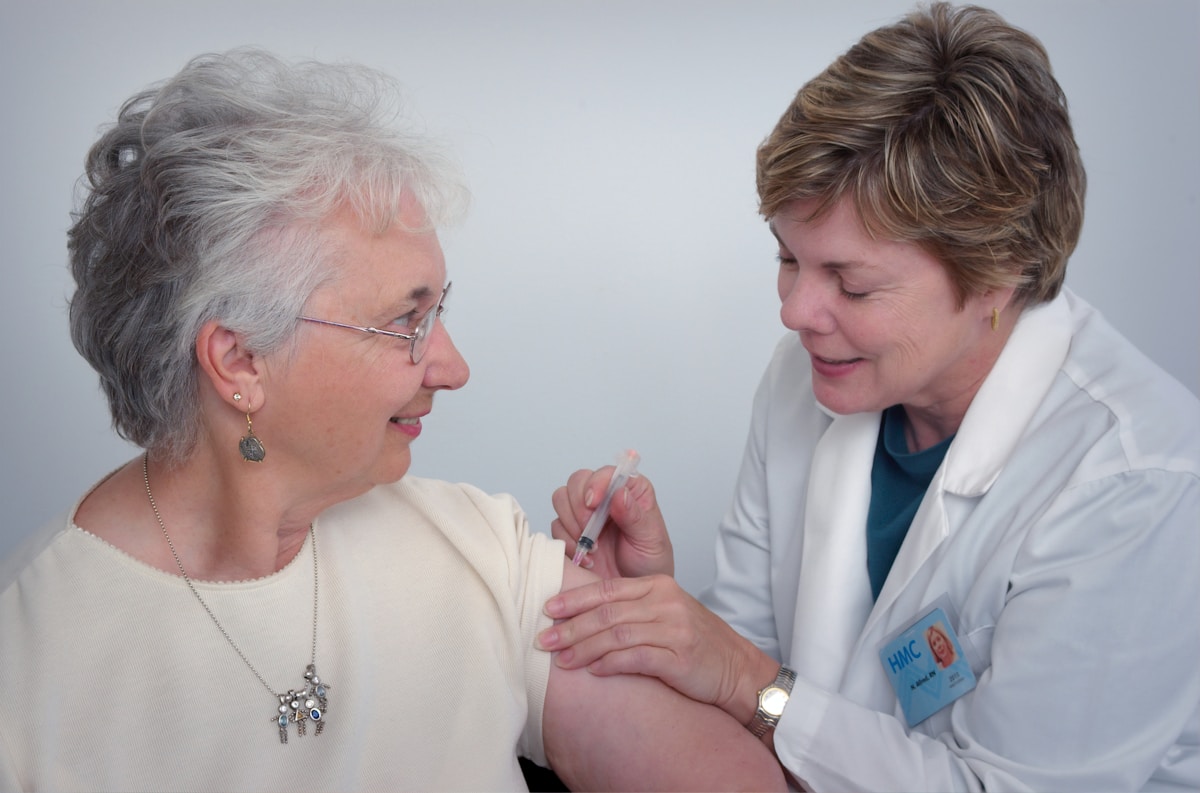
How effective is the combination of the second-generation ultrasonic knife and Onda for the entire face? A detailed timeline
This is the most critical question for everyone seeking beauty treatments. Below is a detailed timeline based on common clinical feedback:
First phase: Immediately after the procedure until the 1st week
After the treatment, most people will immediately notice a slight sense of tightening and improvement. This is because the high-temperature energy from the ultrasonic knife causes collagen fibers to contract instantly, while the microwave effects of Onda also provide immediate skin tightening. However, the “immediate results” at this stage are usually just an indication of what to expect and do not represent the final outcome.
Within 1–3 days after the procedure, mild redness, skin sensitivity, or localized tingling may occur. These are normal reactions and typically subside within 3–5 days, with little impact on daily activities.
Second phase: 2 to 4 weeks after the procedure – noticeable improvements in contour lines
Between 2 and 4 weeks after the treatment, the “dual effects” of these two treatments begin to work together synergistically:
- The early collagen contraction induced by the ultrasonic knife acting on the fascial layer has stabilized, making the contours of the jawline clearer;
- The fat cells dissolved by Onda begin to be metabolized and eliminated by the body, gradually reducing the “swollen” appearance of the face and narrowing the lower facial lines;
- The overall facial contours become significantly more defined, and the skin feels firmer.
This is the stage when others are most likely to notice that “the condition has improved” — the results are natural and not as dramatic as those from surgery.

Stage three: 2 to 3 months after the procedure — the effects reach their peak.
This is the critical golden period for optimal results. Two to three months after the treatment, collagen production reaches its highest level:
- The large amount of newly generated collagen in the SMAS fascial layer affected by the ultrasonic knife has matured, allowing the facial contours to be improved by approximately 40% compared to immediately after the procedure;
- The proliferation of collagen in the dermis stimulated by Onda also reaches its peak during this stage, significantly enhancing the skin’s elasticity and firmness;
- The synergistic effects of these two treatments are most evident at this point: the jawline becomes clearly defined and lifted, nasolabial folds are reduced, the cheeks look fuller, and the overall facial contours take on a younger, “inverted triangle” shape.
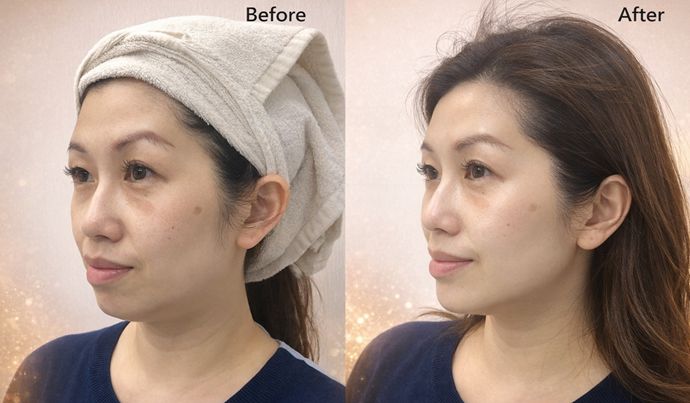
If measured by “effectiveness scores,” the results 3 months after the treatment are usually 1.5 to 2 times those immediately after the treatment, making this the ideal time to take before-and-after photos for comparison.
Phase Four: 6 to 18 months after the treatment – the maintenance period
The duration of effects varies between the second-generation US version of the ultrasonic device and Onda:
- The lifting effects of the second-generation US version of the ultrasonic device last on average from 12 to 18 months, and in some individuals with better skin quality and healthy lifestyles, this effect can last for more than 2 years;
- The tightening effects of Onda’s ultramicrowaves last on average from 6 to 8 months; whereas the fat cells that are dissolved undergo long-term improvement—once broken down and metabolized, these fat cells do not regenerate. As long as there is no significant weight gain, the shaping effects will be maintained over the long term.
Therefore, the total duration of the combined treatment program is approximately 12 to 18 months. It is generally recommended to undergo a combined maintenance treatment once a year to achieve lasting anti-aging results.

Recommendations regarding the sequence and interval between the two treatments
When combining the second-generation US version of the ultrasonic device and Onda, it is essential to arrange the treatment sequences scientifically. Never perform both high-energy treatments on the same area on the same day.
Recommended option one: Performing the treatments in separate sessions on the same day (subject to medical evaluation)
Some high-end Korean hospitals allow two treatments to be completed on the same day, but typically require that the second treatment, Onda, be performed 30 to 60 minutes after the first treatment, which uses the second-generation Ultrasonic Knife (targeting the deeper fascia). This approach is only feasible if the doctor determines that the skin condition is good and the patient has sufficient energy tolerance, and if a more conservative setting is used.
Recommended option two: Treatments administered in separate sessions, with an interval of 7 to 14 days.
A safer and more commonly recommended approach is to complete the full-face treatment with the second-generation Ultrasonic Knife first, followed by an Onda treatment 7 to 14 days later. The reasons for this are:
- It prevents the skin from absorbing too much heat in a short period, thereby reducing the risk of inflammatory reactions;
- After the Ultrasonic Knife treatment, the skin enters a preliminary recovery phase. Applying Onda at this time provides “dual signals” that enhance collagen regeneration, resulting in better synergistic effects;
- Treating in separate sessions also allows doctors to adjust the Onda settings based on the skin’s condition after the Ultrasonic Knife treatment, thus optimizing the results more individually.
Who is most suitable for this combination of treatments?
The combination of the second-generation Ultrasonic Knife and Onda for the face is most suitable for the following types of individuals:
- People aged 30 to 55 who have moderate facial sagging and excess fat around the cheeks;
- Those with a blurred jawline or who are bothered by “double chin” or excess skin around the mouth.
- Those whose wrinkles have deepened and whose facial contours have changed from an “inverted triangle” to a “regular triangle”;
- Those who wish to achieve both “contour lifting” and “facial slimming” effects without undergoing surgery;
- Those with flexible travel schedules who can arrange for two treatments during their trip to Korea.
The following groups are not recommended to undergo this combination of treatments: pregnant or breastfeeding women; those with open wounds on the face, active acne, or skin infections; individuals with metal implants or electronic devices such as pacemakers; and those with skin that is sensitive to heat or has severe photosensitivity.
What should be considered when undergoing the second-generation Ulthera with Onda in Korea?
Preoperative preparations
- Inform your doctor about all medications you are taking, including vitamin supplements, two weeks before the procedure;
- Avoid other high-energy treatments such as Thermage or radiofrequency facials one week before the procedure;
- Arrive at the clinic without any makeup or skincare products on the day of the treatment.
- If two treatments are scheduled, ensure there is sufficient recovery time between them.
Key points for postoperative care
- Within 24 to 48 hours after the procedure, mild redness and a stinging sensation may occur; these are normal reactions and usually subside on their own within a few days.
- For one week after the procedure, avoid saunas, steam baths, and strenuous exercise to prevent additional heat exposure.
- Increase hydration by using gentle, non-irritating skincare products; avoid those containing alcohol.
- Strictly protect your skin from sunlight (use SPF 50 or higher) to prevent ultraviolet rays from irritating the treated area.
- If redness, blisters, or severe pain persist for more than a week, seek medical attention immediately so that a doctor can assess the situation.
How to choose a suitable hospital in Korea for this combination of treatments?
When undergoing the American version of Ultherapy Prime combined with Onda in Korea, it is crucial to select a medical institution with extensive experience. Here are some recommendations for your consideration:
- Verify the authenticity of the equipment: Request the hospital to provide the original certification documents for the American version of Ultherapy Prime and the official authorization letter from DEKA for the Onda equipment to ensure you are not receiving used or counterfeit devices.
- Choose hospitals that offer services in Chinese: It is recommended to choose hospitals with Chinese-speaking consultants or those that collaborate with Chinese medical beauty platforms, such as the Dermatology Departments at ID Plastic Surgery Hospital and BTN Dermatology in Seoul’s Gangnam District, as well as EGG Clinic.
- Request that the procedure be performed by a doctor personally: According to Korean medical regulations, ultrasound knife treatments must be carried out by licensed physicians. When selecting a hospital, make sure that the treatment is performed by a attending physician rather than a nurse.
- Plan your trip in advance: If you need two treatments, it is advisable to plan a stay of at least 10 to 14 days in Korea, or arrange two separate trips to ensure sufficient recovery time between the treatments.
- Compare prices across multiple platforms: Use Korean beauty apps like GangnamUnni or Chinese medical beauty platforms to compare the quotes from different hospitals. Combination treatment packages usually offer better discounts than booking individual treatments separately.
Frequently Asked Questions (FAQ)
Q1: If I use the second-generation ultrasound knife and Onda on the same day, will the results be faster?
A: Not necessarily. Although having both treatments on the same day is convenient, it places a greater thermal burden on the skin. It is recommended to space the treatments 7 to 14 days apart, allowing the skin sufficient time to recover before the second session. This approach results in a more stable “dual-stimulation” effect for collagen production and reduces the risk of side effects.
Q2: How long after completing the combination treatment will I start to see noticeable results?
A: You will immediately feel a slight tightening effect after the treatment. The contours will improve significantly within 2 to 4 weeks, and the best results are usually seen after 2 to 3 months. It is recommended to take photos for comparison at 3 months post-treatment; the results are usually more pronounced at this point.
Q3: How long will the effects of this combination treatment last?
A: The effects of the second-generation US version of the ultrasonic device last for approximately 12 to 18 months; the tightening effects of Onda last for about 6 to 8 months, while the fat-lysis results are long-term improvements. Overall, it is recommended to undergo a combined maintenance treatment every 12 to 18 months.
Q4: Is this combined treatment painful? Is there a recovery period needed?
A: The second-generation US version of the ultrasonic device causes a certain degree of stinging sensation due to the deeper treatment depth; however, its intelligent energy control makes it more comfortable than the first generation, and it is generally tolerable after applying an anesthetic cream. Onda ultramicrowaves, on the other hand, have a built-in cooling system, so they are very little painful and usually do not require anesthesia. Neither treatment requires a special recovery period, and you can go about your daily activities immediately after the procedure.
Q5: What is the appropriate age range for this combined treatment?
A> It is recommended that individuals over 30 years old who experience moderate facial sagging consider this treatment plan. For those aged 25 to 30 who already show early signs of sagging, Onda ultramicrowaves or a mild version of the ultrasonic treatment may be suitable as a starting option. For those over 60 with more severe facial sagging, doctors might suggest increasing the energy setting or combining it with surgical lifting procedures for better results.
In summary: Combining these treatments is like investing in anti-aging with a synergistic effect where 1 + 1 > 2.
Combining the second-generation US version of the ultrasonic device with Onda for the entire face is not just adding up two treatments; rather, it achieves comprehensive and three-dimensional facial rejuvenation through the combined action of deep lifting (using the ultrasonic device on the fascial layer) and mid-to-shallow fat-lysis and tightening (with Onda on the fat and dermal layers).
In terms of effectiveness: immediate tightening is felt after the treatment → noticeable improvement in contours within 2 to 4 weeks → peak results after 2 to 3 months → lasting effects for 12 to 18 months. As long as you choose a reputable hospital, ensure that the equipment is original, and follow proper pre- and post-treatment care, this combined treatment will be the most effective non-surgical solution for combating facial aging.
If you plan to experience this excellent combined treatment in Korea, it is recommended to make your appointment at least 3 to 4 weeks in advance. Choose a reputable dermatology clinic that provides services in Chinese, and thoroughly discuss your skin type and desired results with your doctor. This way, a professional treatment plan can help you achieve the best possible results in rejuvenating your appearance.